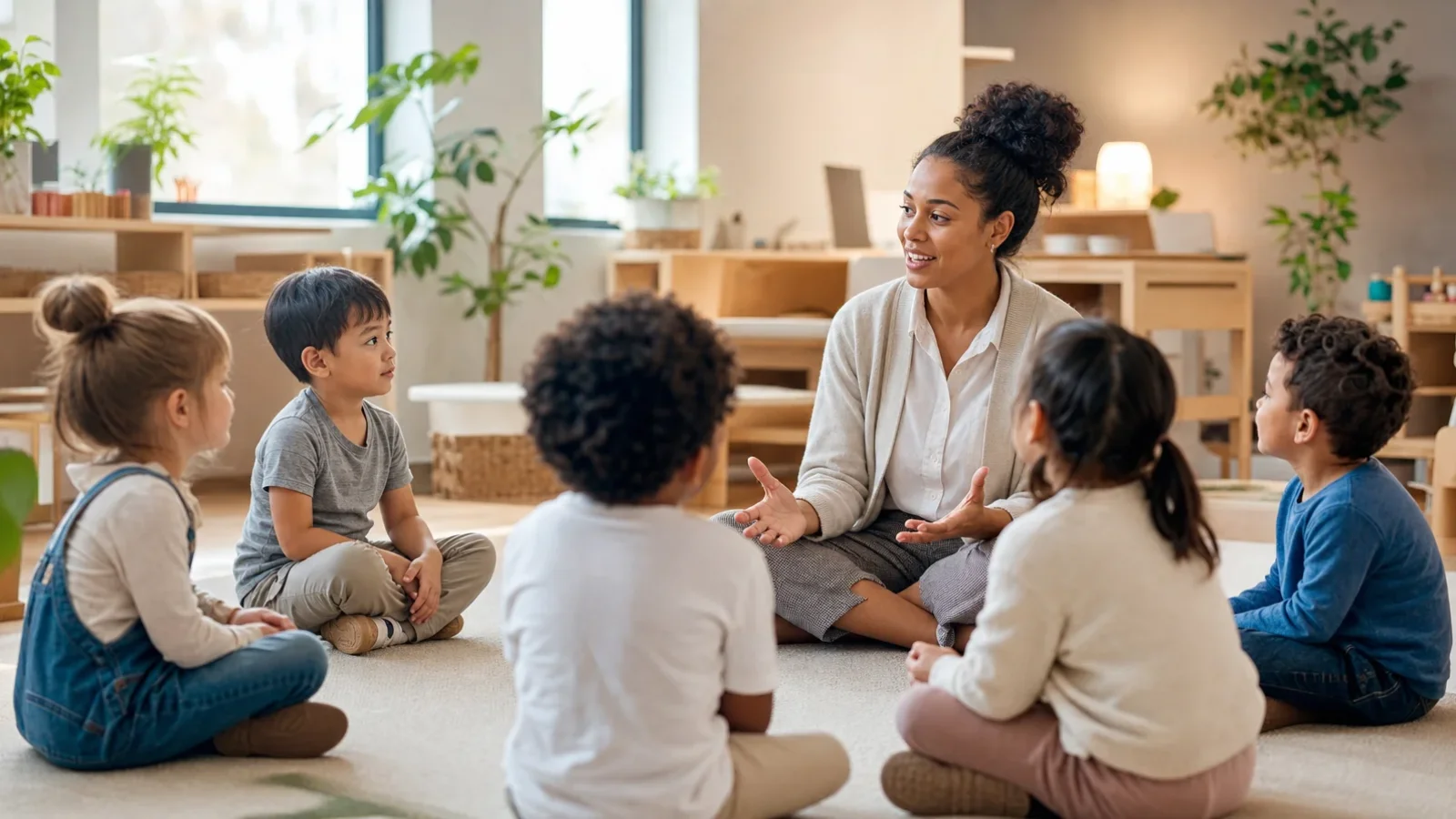
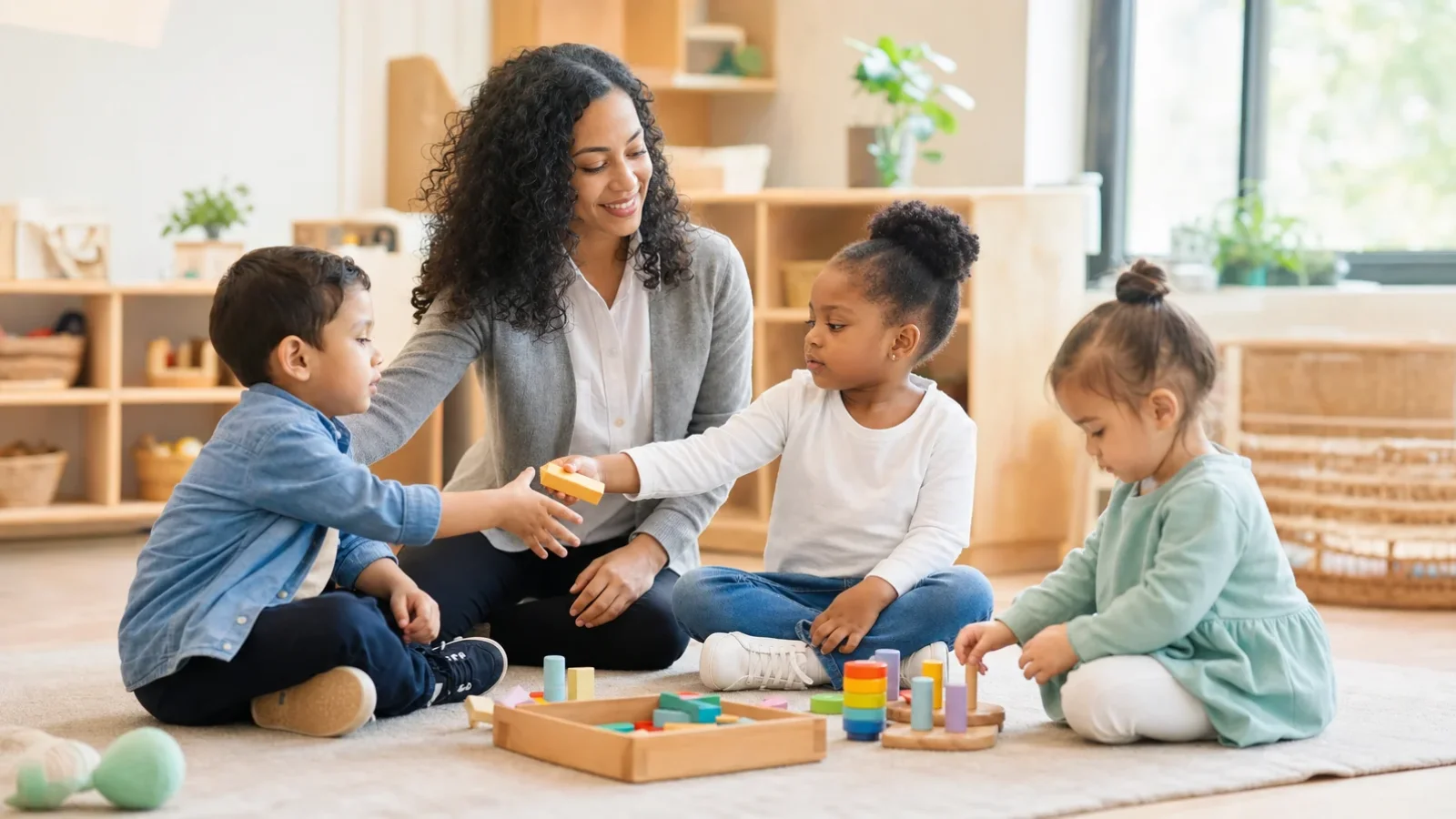
Children do not need perfect manners or advanced academic skills before kindergarten. They benefit most from practicing everyday social skills: listening, following simple directions, taking turns, expressing feelings safely, asking for help, cooperating with others, solving small conflicts, and managing basic routines with growing independence. These skills develop gradually through play, conversation, modeling, and repeated practice at home.
Bullying can be difficult to identify in preschool and child care because young children are still learning self-control, empathy, language, and conflict resolution. This guide helps parents and providers distinguish ordinary conflict from repeated harmful behavior, recognize warning signs, document patterns, respond without labeling children, support everyone involved, and build a safer peer culture.
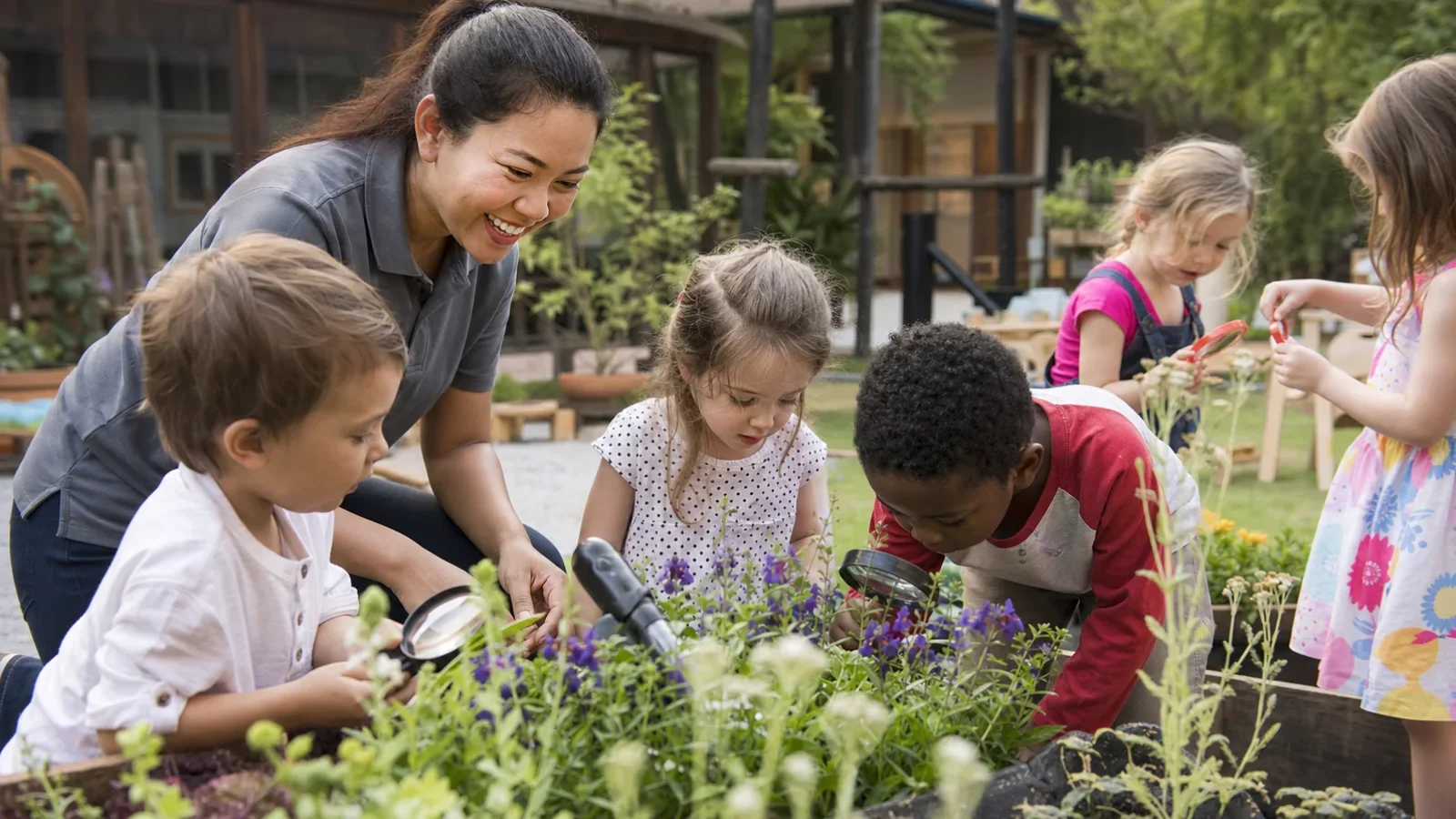
A strong daycare preschool program does more than teach letters and numbers. It combines warm teacher-child relationships, active supervision, play-based learning, language development, movement, predictable routines, and clear family communication. These ten signs help parents evaluate whether a full-day child care program supports preschoolers’ safety, social-emotional growth, independence, curiosity, and readiness for kindergarten.