Children can be manipulated through attention, gifts, secrecy, guilt, threats, false friendship, authority, or online pressure. Parents can reduce risk by teaching body autonomy, safe and unsafe secrets, trusted-adult plans, privacy rules, and simple responses to uncomfortable situations. The strongest protection is an open relationship in which a child expects help—not punishment—when reporting a concern.
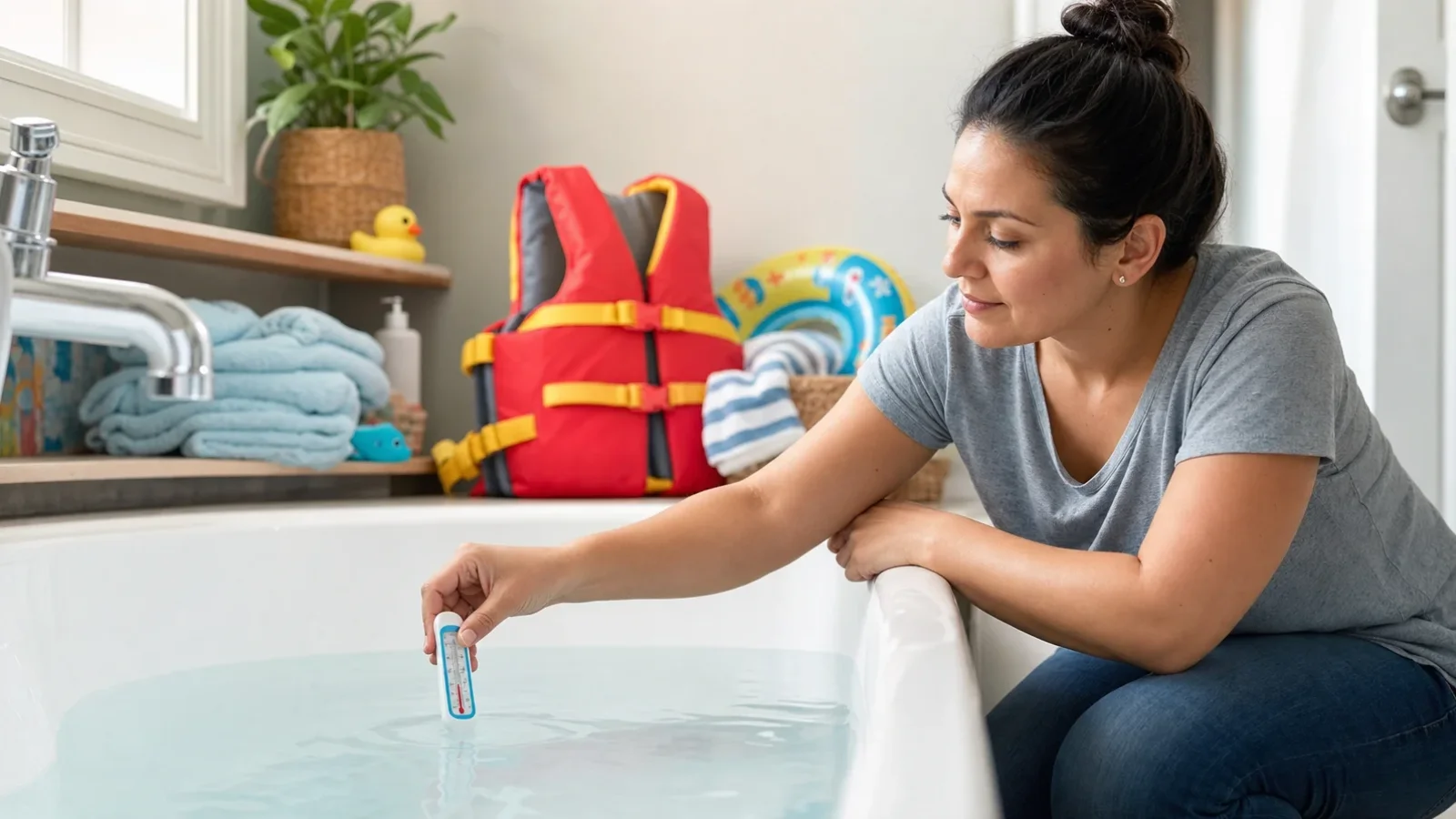
Young children need several layers of protection around water. Close adult supervision, secure pool barriers, age-appropriate swimming instruction, properly fitted life jackets, safe bathtub routines, and adult CPR training all reduce risk. No single precaution is enough, and children who have taken swimming lessons still require constant supervision whenever they are in or near water.
Potty training works best when families and child care providers use a shared, child-centered plan. Readiness matters more than a fixed age, and accidents are part of learning. This guide explains how to coordinate routines, clothing, language, rewards, hygiene, constipation support, regression, disability accommodations, and communication so children can build toileting independence without shame or pressure.
Daycare separation anxiety is common, especially during infancy, toddlerhood, and major transitions. Children usually adjust more easily when parents and caregivers use predictable routines, brief and confident goodbyes, gradual practice, familiar comfort items, consistent pickup language, and close communication. This guide explains what is typical, what can make anxiety worse, how providers can help, and when professional support may be…
Parents do not need worksheets, expensive toys, or a second school day to support a daycare curriculum at home. Children learn through conversation, reading, routines, movement, art, pretend play, and everyday problem-solving. This guide offers five practical ways families can reinforce classroom learning while protecting rest, connection, curiosity, and the child’s individual developmental pace.
Families may reduce eligible child care costs through the federal Child and Dependent Care Credit, an employer dependent care assistance plan or FSA, and sometimes state tax benefits. Eligibility depends on the child or dependent, work-related purpose, earned income, filing status, provider information, and tax year. This guide explains qualifying expenses, coordination rules, nanny payroll, records, and common mistakes.
Sensory bins can support language, fine-motor development, early math, scientific thinking, pretend play, and social interaction. They also require careful material selection, active supervision, sanitation, and attention to choking, allergy, ingestion, water, and sensory risks. This guide explains how to build safe, age-appropriate sensory activities at home or in child care without relying on hazardous small fillers.
Most child care concerns can be discussed and corrected, but some warning signs require immediate action. Parents should pay close attention to supervision, staff conduct, dangerous environments, unexplained injuries, illness control, secrecy, and sudden changes in a child’s behavior. This guide explains three major danger patterns, how to verify licensing records, what to document, and when to report or remove…