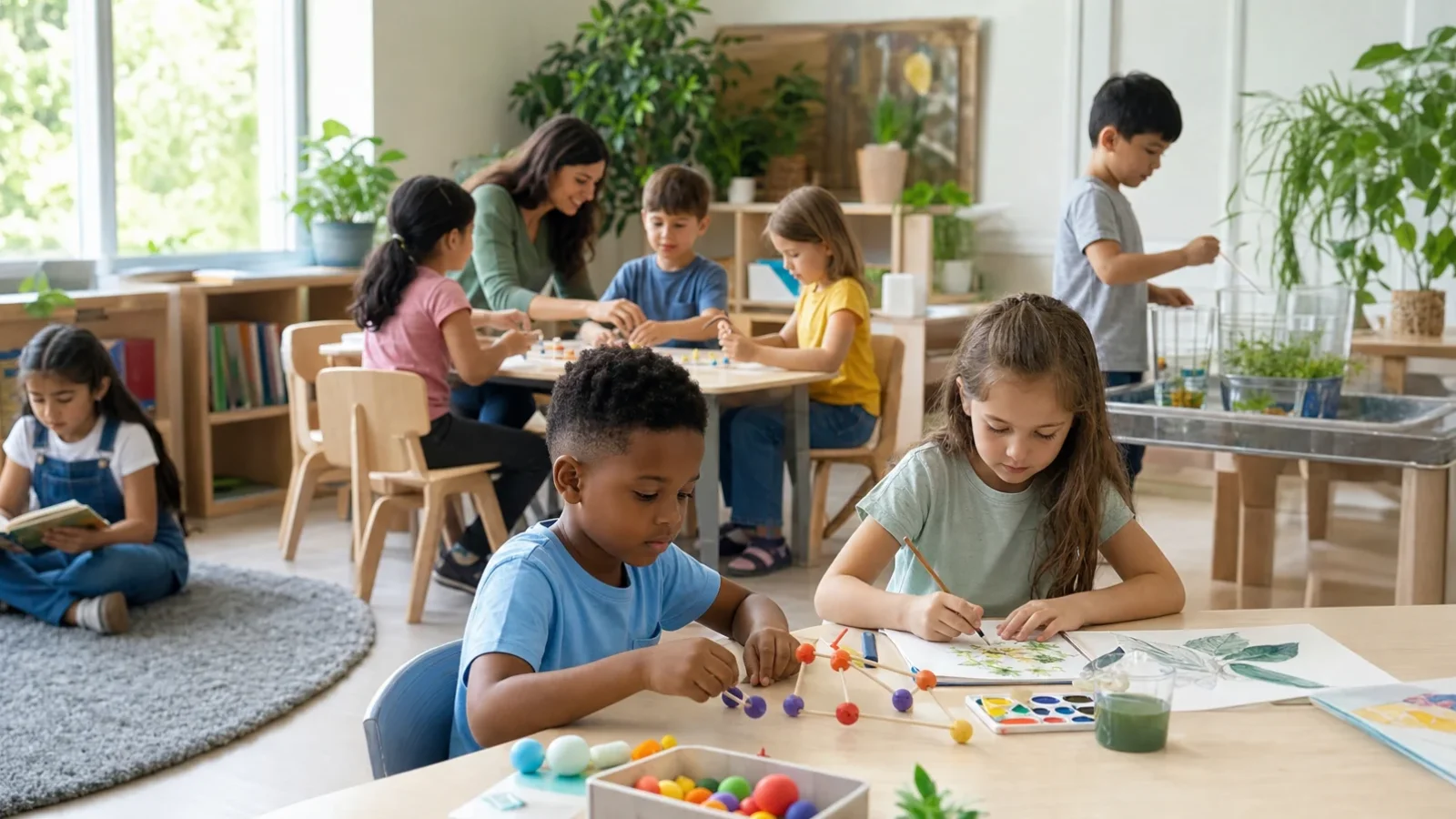
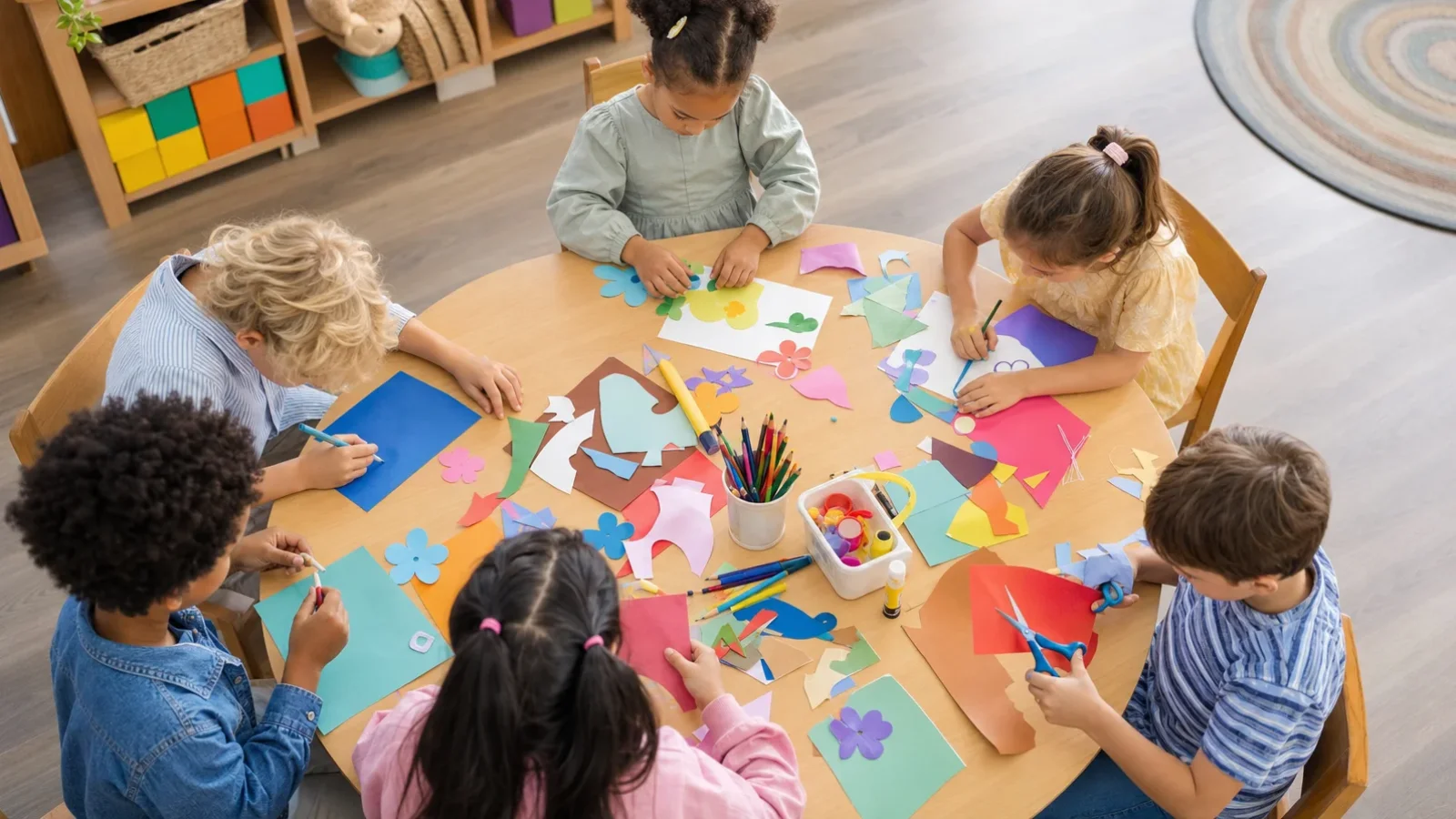
STEM learning does not require a laboratory, expensive kit, or parent who knows every answer. Cooking, grocery shopping, building, observing weather, comparing materials, measuring a room, and analyzing family data can all become science, technology, engineering, and math experiences when children predict, test, measure, revise, and explain their thinking.
Reading comprehension is the ability to make meaning from text—not simply pronounce words quickly. Families can strengthen it through enjoyable conversation before, during, and after reading: connect a book to what a child knows, clarify vocabulary, predict, visualize, notice confusion, retell important ideas, and discuss evidence without turning every story into a test.
Rainy days do not require elaborate crafts or nonstop adult entertainment. Toddlers and preschoolers can stay engaged with indoor movement, blanket forts, pretend play, books, music, building, simple art, and supervised kitchen activities. A loose rhythm of active and quiet choices can make the day manageable while supporting play and development.
Summer learning does not have to mean a full day of traditional school. Families can choose from district programs, camps, libraries, tutoring, recreation, enrichment, and simple home routines. The best plan matches the child’s academic needs, interests, age, safety requirements, and need for rest while also fitting the family’s schedule, transportation, and budget.
Summer break can give children time to rest, explore interests, build practical skills, spend time outdoors, and keep learning without recreating the school day. These 10 ideas help families combine reading, science, art, movement, community activities, life skills, and quality summer care while keeping the schedule flexible, affordable, age appropriate, and fun.