
10 Ways to Keep Children Learning and Having Fun During Summer Break
11 min read
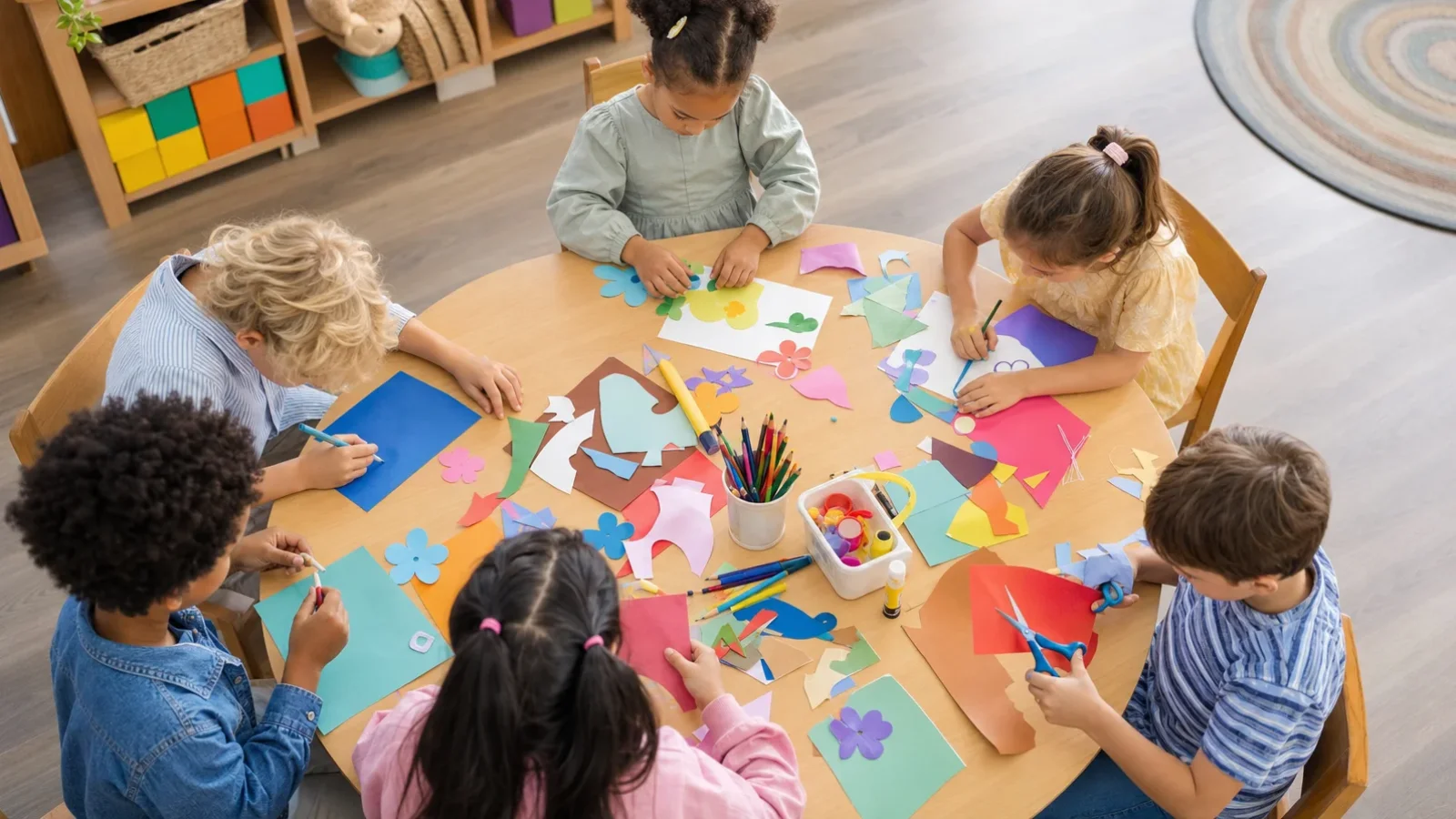
Summer break gives children something they rarely have during the school year: long stretches of time not controlled by bells, homework, tests, and tightly packed routines.
That freedom can be wonderful. It can also create practical challenges for families who need reliable child care, a predictable schedule, affordable activities, transportation, academic support, safe outdoor options, meals, and time to work.
A good summer does not need to be elaborate or expensive. Children can learn through reading, play, nature, conversation, building, cooking, travel, community events, household responsibilities, and time with friends and family.
The goal is not to fill every minute. The goal is to create enough structure to help children feel secure while leaving room for rest, curiosity, and spontaneous fun.
Why Summer Break Matters
Summer gives children opportunities to develop in ways that are difficult to fit into a regular school day.
They may have more time to:
- Follow personal interests
- Read for pleasure
- Practice independence
- Spend time outdoors
- Build friendships
- Help at home
- Visit relatives
- Try new activities
- Recover from academic stress
- Get enough sleep
Summer should not become three months of constant entertainment. Children also benefit from quiet time, unstructured play, boredom, repeating favorite activities, and inventing their own games.
A successful summer plan balances:
- Learning
- Care
- Physical activity
- Social connection
- Creativity
- Family responsibilities
- Rest
1. Create a Flexible Summer Routine
Children often do better when they know what to expect.
A summer routine can reduce repeated arguments, excessive screen time, irregular sleep, constant requests for entertainment, and last-minute scheduling problems.
A simple daily rhythm might include:
Morning
- Breakfast
- Get dressed
- Reading or quiet activity
- Camp, child care, errands, or a project
Afternoon
- Lunch
- Outdoor play
- Creative activity
- Rest or quiet time
- Friend or family time
Evening
- Dinner
- Walk or active play
- Screen time when allowed
- Family reading
- Bedtime routine
Some families like weekly themes:
- Make-It Monday: Art, building, or cooking
- Trip Tuesday: Library, park, museum, or community event
- Water Wednesday: Pool, sprinklers, or supervised water play
- Thinking Thursday: Reading, puzzles, science, or games
- Friend Friday: Playdate, sports, volunteering, or family outing
The names do not matter. The benefit comes from reducing the daily question, “What are we doing today?”
Protect sleep, too. Some flexibility is reasonable, but large schedule changes can leave children tired, irritable, less active, and unprepared when school restarts.
2. Consider Summer Camps and Child Care Programs
Summer programs can provide supervision, social interaction, physical activity, enrichment, meals, transportation, and predictable hours.
Options may include:
- Day camps
- School-age child care
- Recreation programs
- Community youth programs
- Sports camps
- Art camps
- Science camps
- Faith-based programs
- Nature camps
- Library programs
- School-district programs
Match the Program to the Child
Consider the child’s:
- Age
- Interests
- Energy level
- Social comfort
- Medical needs
- Disability
- Sensory needs
- Transportation needs
- Schedule
- Budget
A child who loves science may thrive in a STEM camp. A child who feels overwhelmed in large groups may do better in a small home daycare, a short specialty class, a part-time program, or a familiar neighborhood camp.
Ask Quality and Safety Questions
Before enrolling, ask:
- Is the program licensed or exempt?
- Who supervises children?
- Are staff screened?
- What training do staff receive?
- What is the staff-to-child ratio?
- How are children checked in and released?
- What is the discipline policy?
- How are injuries handled?
- Are meals provided?
- How are allergies and medication managed?
- What happens during severe weather?
- Is transportation provided?
- Are swimming activities included?
- What is the refund policy?
3. Start a Reading Challenge
Reading is one of the easiest ways to keep learning active during summer.
A reading challenge should encourage curiosity rather than turn books into another assignment.
Children may read:
- Fiction
- Graphic novels
- Comics
- Nonfiction
- Magazines
- Audiobooks
- Biographies
- Cookbooks
- Sports books
- Science books
- Poetry
Let children choose. A child who dislikes assigned novels may happily read a fantasy series, a book about animals, a comic collection, instructions for building something, or a sports biography.
Reading for pleasure still builds vocabulary, comprehension, background knowledge, attention, and imagination.
Make reading social through:
- Family reading hour
- Parent-child book club
- Sibling read-aloud
- Library challenge
- Audiobooks during travel
- Book-and-movie comparisons
- Reading picnics
Avoid questioning children after every chapter. Instead ask what they enjoyed, what surprised them, or whether they would recommend the book.
4. Try Hands-On STEM Activities
STEM learning can happen without expensive kits.
Try:
- Building a bridge from paper
- Testing which objects float
- Growing seeds
- Making a weather chart
- Building a marble run
- Creating a paper-airplane contest
- Measuring shadows
- Designing a boat
- Comparing melting rates
- Building with cardboard
- Tracking moon phases
Ask questions instead of giving answers:
- What do you think will happen?
- Why did that design fail?
- What could make it stronger?
- What changed?
- How could we test that?
- What would you try next?
The goal is not a perfect project. The goal is curiosity, prediction, observation, persistence, and problem-solving.
STEM also appears in cooking, gardening, repairing, shopping, maps, sports, weather, transportation, and household projects.
5. Plan Outdoor Adventures
Outdoor activity supports movement, coordination, confidence, curiosity, mood, social skills, and sleep.
Ideas include:
- Neighborhood walks
- Park picnics
- Nature scavenger hunts
- Bike rides
- Hiking
- Playgrounds
- Gardening
- Beach visits
- Fishing
- Birdwatching
- Outdoor photography
- Sidewalk chalk
- Backyard camping
Children can keep a nature journal with drawings, photos, labels, observations, and questions.
Plan for water, shade, sunscreen, suitable clothing, insects, heat, lightning, air quality, traffic, and water hazards.
Never leave a child in a parked vehicle. Swimming lessons are valuable, but no child is drown-proof. Children near water require close, active supervision.
6. Make Time for Arts and Creativity
Creative activities help children practice fine-motor skills, planning, communication, self-expression, persistence, and imagination.
Ideas include:
- Painting
- Drawing
- Collage
- Clay
- Photography
- Music
- Dance
- Theater
- Puppets
- Sewing
- Building
- Comic creation
- Stop-motion video
- Story writing
Focus on the process instead of requiring children to copy one adult example.
Provide materials and let the child decide what to make, which colors to use, how to solve problems, and when the work is finished.
At summer’s end, children can choose favorite artwork, photographs, stories, music, videos, or projects for a family showcase.
7. Volunteer or Help the Community
Volunteering can help children develop empathy, responsibility, cooperation, community awareness, and practical skills.
Age-appropriate opportunities may include:
- Food drives
- Park cleanups
- Animal-shelter supply collections
- Writing cards
- Helping an older neighbor
- Community gardens
- Library projects
- Donation sorting
- Neighborhood litter pickup
- Fundraising walks
Many organizations have minimum ages, parent-supervision requirements, training, safety restrictions, or waivers. Call before arriving.
Children can also contribute at home by sorting donations, making care packages, growing produce to share, helping a neighbor, collecting pet supplies, or cleaning a shared outdoor area.
The goal is genuine contribution, not simply completing an activity for a résumé.
8. Plan Family Trips and Community Outings
Travel and local outings can teach geography, history, culture, planning, budgeting, communication, and flexibility.
Possible outings include:
- Museums
- Historic sites
- Farmers markets
- Cultural festivals
- State parks
- Public gardens
- Science centers
- Beaches
- Walking tours
- Free concerts
- Community movie nights
Let children help choose destinations, read maps, estimate travel time, pack snacks, create a simple budget, research one fact, take photos, or keep a travel journal.
Families often overlook local places because they feel too familiar. Try becoming a visitor in your own town by exploring murals, historic buildings, public art, nature trails, small museums, local foods, and community events.
9. Teach Practical Life Skills
Summer is a good time to teach skills that rushed school mornings often leave little room to practice.
Ideas include:
- Cooking
- Laundry
- Cleaning
- Gardening
- Basic sewing
- Organizing
- Budgeting
- Grocery shopping
- Public transportation
- Bike care
- Simple home repair
- First aid
- Emergency planning
Young children may sort laundry, water plants, set the table, put toys away, or wash produce.
Older children may prepare simple meals, make grocery lists, track spending, learn laundry, plan a family dinner, or organize a room.
Teens may practice résumé writing, interviewing, banking, transportation planning, meal preparation, and volunteer or job responsibilities.
If children earn money for selected tasks, explain which chores are normal family responsibilities, which tasks earn extra money, how payment is calculated, and when it will be paid.
10. Use Screens Intentionally
Screens can support creativity, video calls, learning, music, games, movies, and research.
Problems arise when they replace sleep, physical activity, family conversation, outdoor time, responsibilities, and in-person friendships.
Create a family media plan covering:
- When screens are allowed
- Which devices and apps are permitted
- Bedtime cutoff
- Device-free meals
- Online safety
- In-app purchases
- Personal information
- Photos
- Gaming
- Social media
Encourage children to create, not only consume. They might make a video, edit photos, compose music, code, research a project, design a poster, write a story, or learn a skill.
A rainy movie afternoon is not a failed summer. The goal is balance, not perfection.
Budget-Friendly Summer Ideas
A memorable summer does not require expensive travel or camps.
Low-cost ideas include:
- Library challenges
- Park picnics
- Backyard obstacle courses
- Free museum days
- Community concerts
- Nature scavenger hunts
- Cooking projects
- Sidewalk chalk
- Homemade games
- Bike rides
- Family tournaments
- Water play
- Neighborhood photo walks
- Fort building
- Audiobooks
- Community gardens
- Free workshops
A summer activity jar can help. Write ideas on slips of paper and sort them into free, indoor, outdoor, quick, family, and creative categories.
Summer Safety Basics
Heat
Plan outdoor activity around safer times of day. Provide water, shade, breaks, light clothing, and indoor alternatives.
Know signs of heat illness, including unusual weakness, headache, nausea, dizziness, confusion, and very hot skin.
Water
Use active adult supervision. Do not rely only on floaties, older siblings, lifeguards, or swimming lessons.
Use properly fitted life jackets where appropriate and secure pools with required barriers.
Vehicles
Never leave a child alone in a vehicle, even briefly. Check the back seat every trip and lock parked vehicles so children cannot enter on their own.
Bicycles and Wheeled Activities
Use a properly fitted helmet, safe route, equipment that fits, age-appropriate supervision, and traffic rules.
Internet
Teach children not to share home addresses, school information, passwords, live locations, private photos, or travel plans.
Choosing a Quality Summer Program
A strong program should be able to explain:
- Who is responsible
- How staff are screened
- How children are supervised
- How emergencies are handled
- How families are contacted
- What the daily schedule includes
- How behavior is managed
- How medication and allergies are handled
- How children are released
- How transportation and field trips work
Tour when possible and observe staff engagement, cleanliness, secure entrances, water access, shade, bathrooms, equipment, accessibility, and group organization.
A child may be nervous about a new program, but persistent distress or specific statements about unsafe behavior deserve attention. Ask questions, document concerns, and report serious violations or suspected abuse to the proper authorities.
Frequently Asked Questions
How much structure should children have during summer?
Enough to create predictability and meet care needs, but not so much that every hour is scheduled. Children also need free play, rest, and choice.
Should children do academic work every day?
Not necessarily. Reading, games, cooking, outdoor exploration, building, and family activities can support learning without formal daily lessons.
How can working parents keep children engaged?
Combine dependable child care or camp with simple weekly routines, library programs, outdoor time, and a few repeatable home activities.
Are summer camps regulated like child care centers?
It depends on the program and location. Some camps are licensed, while others may be exempt or governed by different rules. Ask the program and verify locally.
How can families reduce summer screen time?
Create predictable screen windows, keep devices out of bedrooms at night, provide accessible alternatives, and involve children in setting the family media plan.
What are good free summer activities?
Libraries, parks, community events, reading challenges, nature walks, cooking, gardening, crafts, outdoor games, and neighborhood exploration can all be low cost or free.
How do I know whether a summer program is a good fit?
Consider the child’s interests, age, temperament, medical or developmental needs, schedule, safety, staff quality, transportation, cost, and enthusiasm after visiting.
Related Resources
The supplied related-resource inventory for this article is currently empty. This article is designed to serve as a hub for future or existing resources covering:
- Choosing quality child care
- Summer camps and day camps
- School-age child care
- Child development
- Summer safety
- Reporting child care concerns
Sources
- CDC: Summer and Health
- CDC: Summer Swim Safety
- CDC: Infants and Children and Heat
- HealthyChildren.org: Family Media Plan
- HealthyChildren.org: Summer Safety Tips
- American Library Association: Summer Reading Programs
- ChildCare.gov: Choosing Quality Child Care
- ChildCare.gov: Child Care Licensing
ChildCareCenter.us is an independent directory and educational resource. Summer program availability, camp regulation, child care licensing, transportation, swimming, medical support, costs, and safety practices vary by location and may change. This article is not medical, legal, educational, or child care licensing advice. Confirm current details with program operators, public agencies, schools, and qualified professionals.