
Making Your Home Safe for Your Daycare Business
18 min read
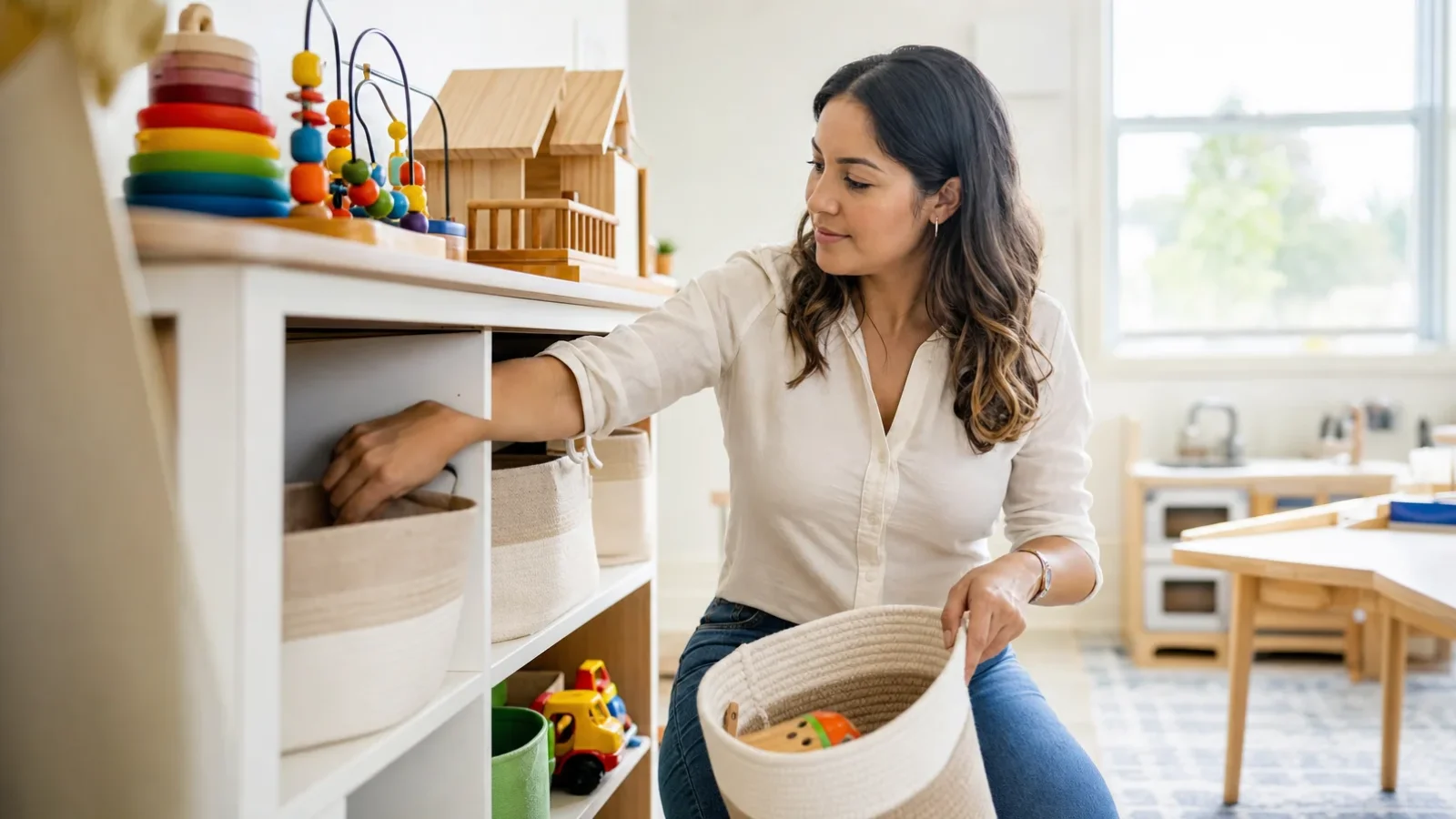
A home can feel safe for a family and still need major changes before it is suitable for group child care.
Home daycare safety is different because:
- Several children may be present at once
- Children may be different ages
- The provider may need to supervise while preparing food or changing a diaper
- A hazard one child ignores may attract another
- Family members may leave personal items in care areas
- Toys and equipment receive heavier use
- Parents, visitors, deliveries, and contractors may enter during the day
- Licensing rules may be stricter than ordinary household practices
The goal is not to create a risk-free environment. That is impossible.
The goal is to identify predictable hazards, reduce them before children arrive, and maintain systems that work every day.
Begin With Licensing and Inspection Requirements
Every state and territory regulates family child care differently.
Requirements may cover:
- Indoor square footage
- Outdoor space
- Group size
- Staff-to-child ratios
- Sleep equipment
- Fire extinguishers
- Smoke alarms
- Carbon monoxide alarms
- Emergency exits
- Water temperature
- Medication storage
- Diapering
- Sanitation
- Pools
- Pets
- Playground equipment
- Firearms
- Transportation
- Staff training
A home that passes an ordinary residential inspection may still fail a child care inspection.
Before making expensive changes:
- Obtain current licensing standards.
- Attend orientation if required.
- Ask whether a pre-licensing visit is available.
- Confirm local fire and zoning requirements.
- Review insurance requirements.
- Document all corrections.
Think in Layers of Protection
A strong safety system uses several layers.
For example, preventing access to cleaning chemicals may involve:
- Original labeled container
- Locked cabinet
- High storage location
- Restricted room
- Active supervision
- Staff training
- Poison Control information
If one layer fails, another still protects the child.
Use layers for:
- Pools
- Stairs
- medications
- exits
- pets
- firearms
- choking hazards
- hot surfaces
- vehicles
Inspect at a Child’s Eye Level
Walk through every approved care area at the height of:
- Crawling infant
- Toddler
- Preschooler
- School-age child
Look for:
- Objects under furniture
- Loose batteries
- Coins
- pet food
- cords
- outlets
- peeling paint
- unstable furniture
- reachable handles
- plastic bags
- blind cords
- small toy parts
- floor vents
- sharp edges
- accessible door locks
Then repeat the inspection while considering what a climbing child could reach.
A toddler may use:
- Chair
- toy box
- shelf
- step stool
- riding toy
to access a previously unreachable hazard.
Design the Room for Supervision
The provider should be able to see and hear children without depending on cameras.
Arrange furniture so it does not create:
- Blind corners
- Hidden spaces
- Long unsupervised hallways
- Obstructed exits
- Trapping areas
- Climbing routes
- Narrow crowding points
Keep shelving:
- Low enough for visibility
- Stable
- Anchored when needed
- Free of heavy objects on top
Avoid long open pathways that encourage indoor running.
Use activity zones to separate:
- Quiet play
- Active play
- Infants
- Art
- Books
- Blocks
- Meals
- Rest
Supervision becomes harder when incompatible activities overlap.
Anchor Furniture and Appliances
Children can be injured when furniture, televisions, or appliances tip over.
Anchor items such as:
- Dressers
- Bookcases
- Tall shelving
- Television stands
- Televisions
- Storage units
- Freestanding ranges
Use appropriate wall anchors or anti-tip devices.
Do not place tempting items such as:
- Toys
- remotes
- snacks
- decorations
on top of furniture that a child might climb.
Check anchors periodically for loosening.
Windows and Window Coverings
Windows can present:
- Fall hazards
- Glass hazards
- Cord strangulation
- Pinched fingers
- Climbing access
Use:
- Cordless window coverings
- Window guards where required
- Stops that limit opening
- Safety glass where applicable
- Furniture placement away from windows
CPSC identifies cordless coverings as the safest choice when young children are present.
Move:
- Cribs
- beds
- chairs
- toy shelves
- climbing equipment
away from windows.
Do not assume an insect screen prevents falls.
Doors and Finger Injuries
Doors can cause:
- Pinched fingers
- Unsupervised exit
- Entrapment
- Access to restricted areas
Consider:
- Finger-pinch guards
- Door alarms
- Child-resistant handles
- High locks that comply with fire rules
- Self-closing exterior doors
- Gates
- Visual supervision
Emergency exits must remain usable from inside.
Do not install locks that trap children or delay evacuation.
Stairs
Stairs should have:
- Secure handrails
- Adequate lighting
- Gates appropriate for the location
- Clear steps
- Nonslip surfaces
- No stored items
- Closed access when not in use
Pressure-mounted gates are generally not appropriate at the top of stairs.
Check gate installation and manufacturer instructions.
Teach children how stairs are used, but do not rely on rules alone.
Electrical Safety
Inspect:
- Outlets
- power strips
- extension cords
- chargers
- damaged wires
- lamps
- appliances
- space heaters
Use outlet covers or tamper-resistant outlets as appropriate.
Keep cords:
- Out of reach
- Away from water
- Secured against pulling
- Away from sleep spaces
- Away from walking paths
Do not overload outlets.
Avoid extension cords as permanent wiring.
Unplug and store small appliances when not in use.
Choking and Ingestion Hazards
Young children explore with their mouths.
Remove items such as:
- Coins
- buttons
- marbles
- loose magnets
- button batteries
- beads
- small erasers
- balloon fragments
- pen caps
- jewelry
- screws
- tiny toy parts
- pet kibble
Inspect toys for broken pieces.
Use age ratings, but also consider the individual child’s mouthing behavior.
A school-age sibling’s toy can become an infant’s choking hazard.
Separate materials by age.
Button Batteries
Button batteries can cause severe internal injury when swallowed or placed in the nose or ear.
Check:
- Remote controls
- key fobs
- singing books
- light-up toys
- scales
- thermometers
- watches
- decorations
Battery compartments should require a tool or otherwise remain securely closed.
Discard damaged battery-powered toys immediately.
Magnets
Loose or powerful magnets can cause life-threatening internal injury when more than one is swallowed.
Avoid:
- Magnetic beads
- loose craft magnets
- broken magnetic toys
- damaged magnetic tiles
- detachable magnet fishing pieces
Inspect magnetic toys regularly.
If a magnet is missing, stop using the area until it is found.
Plastic Bags and Suffocation Risks
Store away:
- Grocery bags
- dry-cleaning bags
- trash bags
- packaging
- garment bags
- disposable diaper sacks
Empty boxes and delivery packaging should be removed before children enter.
Do not let children use plastic bags for pretend play.
Firearms and Other Weapons
Follow licensing law exactly.
Firearms may require:
- Locked storage
- Unloaded condition
- Separate locked ammunition
- Inaccessibility
- disclosure
- inspection
Also secure:
- Knives
- swords
- bows
- air guns
- pepper spray
- tasers
- hunting equipment
A high shelf is not secure storage.
Cleaning Products and Chemicals
Keep hazardous products:
- Locked
- Labeled
- In original containers
- Separate from food
- Separate from medication
- Inaccessible during all care hours
This includes:
- Bleach
- disinfectants
- laundry pods
- dishwasher detergent
- pesticides
- automotive fluids
- paint
- solvents
- pool chemicals
- essential oils
- air fresheners
Never transfer chemicals into:
- Drinking bottles
- cups
- food containers
- unmarked spray bottles
Follow label instructions and required contact times.
Never mix cleaning products.
Poison Prevention
Keep the national Poison Control number available:
1-800-222-1222
Also post:
- Program address
- Emergency numbers
- Parent contacts
- Children’s allergy information
If exposure occurs:
- Remove the child from the source.
- Follow emergency procedures.
- Contact Poison Control or emergency services as appropriate.
- Keep the product container.
- Notify the parent.
- Document the incident.
- Report to licensing when required.
Do not induce vomiting unless directed by a qualified professional.
Medication Safety
Medication should be:
- In the original labeled container
- Authorized in writing
- Stored according to instructions
- Locked or otherwise secured
- Separated from food when required
- Within expiration date
- Available to authorized staff
- Transported during evacuation when necessary
Emergency medication such as:
- Epinephrine
- inhalers
- seizure medication
must be inaccessible to children but quickly accessible to trained adults.
Maintain administration records.
Do not share medication among children.
Diapering Supplies
Even ordinary diapering items can be hazardous.
Secure:
- Diaper cream
- petroleum jelly
- wipes
- baby powder
- plastic bags
- medication
- disinfectant
Avoid airborne powder products around children.
The diapering surface should be:
- Stable
- Washable
- Near handwashing
- Separate from food preparation
- Supplied before the child is placed on it
Never leave a child unattended on an elevated changing surface.
Kitchen Safety
The kitchen contains risks involving:
- Heat
- knives
- appliances
- glass
- cords
- food allergens
- raw foods
- cleaning chemicals
- choking hazards
Use:
- Stove barriers or controls when appropriate
- Back burners
- Pot handles turned inward
- Locked knife storage
- Appliance locks where needed
- Secure trash
- Separate chemical storage
Keep hot drinks away from children.
Do not carry a child while handling:
- Hot liquid
- boiling water
- frying food
- open oven
Hot Water and Burns
Check water temperature at the faucet used by children.
HealthyChildren.org recommends that the hottest faucet water be no more than 120°F to reduce scald risk.
Licensing rules may require a different or more specific limit.
Use:
- Anti-scald devices
- Adult testing
- Supervision
- Faucet controls
- Safe handwashing procedures
Also protect children from:
- radiators
- fireplaces
- space heaters
- hot pipes
- grills
- fire pits
Bathroom Safety
Bathrooms should be checked for:
- Medication
- razors
- cosmetics
- mouthwash
- cleaning products
- cords
- hot water
- slippery floors
- standing water
- toilet access
- trash
Use nonslip surfaces.
Clean spills immediately.
Maintain privacy while meeting supervision requirements.
Never store chemicals under an unlocked sink.
Safe Sleep
Infant sleep areas should follow current safe-sleep guidance and licensing rules.
A safe setup generally includes:
- Approved crib or play yard
- Firm, flat surface
- Fitted sheet
- Infant placed on the back
- No pillows
- No loose blankets
- No bumpers
- No stuffed toys
- No positioners
Do not use for routine sleep:
- Sofa
- recliner
- adult bed
- swing
- inclined sleeper
- car seat outside travel
Keep cribs away from:
- Blind cords
- windows
- heaters
- shelving
- hanging decorations
- monitor cords
Follow required sleep checks and documentation.
Crib and Equipment Safety
Check each item for:
- Recalls
- missing hardware
- loose screws
- tears
- broken locks
- unstable frames
- damaged mesh
- incorrect mattress fit
Do not use:
- Drop-side cribs
- homemade sleep equipment
- recalled products
- damaged play yards
- added mattresses
- aftermarket padding
Use products according to manufacturer instructions.
Toy Safety
Select toys based on:
- Age
- development
- group use
- durability
- cleanability
- choking risk
- entrapment risk
- toxic materials
- sound level
Inspect daily for:
- Cracks
- sharp edges
- loose parts
- exposed stuffing
- missing battery covers
- damaged cords
- peeling paint
Remove damaged toys immediately.
Do not place them in a “repair later” bin that children can access.
Art Materials
Use products labeled appropriate for children.
Avoid or secure:
- Permanent markers
- solvents
- adult glue
- sharp tools
- tiny collage pieces
- glitter
- staples
- hot glue
- spray adhesive
Supervise:
- Scissors
- paint
- clay
- sensory materials
- water
Review allergies and mouthing behavior.
Indoor Plants
Identify every plant.
Remove plants that are:
- Toxic
- irritating
- thorny
- moldy
- treated with pesticides
- dropping small berries or leaves
Keep soil inaccessible.
Do not assume a plant sold for home use is safe around children.
Rugs and Flooring
Floors should be:
- Clean
- Dry
- Free of splinters
- Free of loose transitions
- Free of exposed nails
- Easy to inspect
Secure rugs with appropriate nonslip backing.
Avoid curled edges.
Repair:
- Loose tile
- torn carpet
- damaged flooring
- uneven thresholds
Clean spills immediately.
Indoor Air and Ventilation
Good ventilation helps reduce indoor contaminants and infection spread.
Maintain:
- HVAC filters
- exhaust fans
- appropriate ventilation
- dry indoor spaces
- smoke-free environment
Do not permit:
- Smoking
- vaping
- marijuana smoke
- strong aerosol use
in or near care areas.
Investigate:
- Mold
- water leaks
- sewage odors
- gas smells
- persistent dampness
Children should not remain in an unsafe environment while repairs are delayed.
Carbon Monoxide and Smoke Alarms
Install and maintain alarms according to:
- Manufacturer instructions
- Fire code
- Licensing rules
Test them on schedule.
Replace batteries and devices as required.
Document testing when licensing requires it.
Children should hear and practice responding to alarm sounds without being unnecessarily frightened.
Fire Extinguishers
Use extinguishers of the required type and location.
Providers should know:
- Where they are
- How to use them
- When evacuation is safer than attempting to fight a fire
- Inspection and replacement schedule
Keep extinguishers visible and accessible to adults but not used as toys.
Emergency Exits
Every approved care area should have a workable evacuation route.
Keep routes:
- Clear
- Unlocked from inside
- Free of furniture
- Free of stored equipment
- Usable during naps
- Usable in darkness
Plan how to evacuate:
- Infants
- nonwalking children
- children with disabilities
- children who panic
- children needing medication
Practice drills under licensing rules.
Outdoor Safety
The outdoor area should be inspected before every use.
Look for:
- Open gates
- animal waste
- standing water
- broken glass
- cigarette butts
- mushrooms
- insects
- fallen branches
- tools
- chemicals
- damaged equipment
- heat hazards
- icy areas
- exposed roots
- holes
Conditions can change overnight.
A weekly inspection is not enough.
Fencing and Gates
Fences should:
- Enclose required areas
- Have secure gates
- Prevent access to traffic
- Prevent access to pools
- Be free of sharp edges
- Be difficult for children to climb
- Remain in good repair
Gate latches should be:
- Functional
- located as required
- checked daily
- inaccessible to young children
Do not place climbable furniture next to fences.
Playground Equipment
Outdoor equipment should be:
- Age appropriate
- Installed correctly
- Stable
- Free of broken parts
- Free of exposed bolts
- Free of entanglement hazards
- Used with adequate protective surfacing
- Spaced to reduce collisions
Check:
- Swings
- slides
- climbers
- ride-on toys
- playhouses
- sandboxes
Follow current CPSC guidance and licensing standards.
Remove equipment from service when:
- Hardware is loose
- Anchors shift
- Surfaces crack
- Rust creates sharp edges
- Surfacing is displaced
- A recall is issued
Protective Surfacing
Hard surfaces under fall equipment can increase injury severity.
Appropriate surfacing may include materials permitted by current guidance and licensing rules.
The required:
- Depth
- fall zone
- maintenance
- drainage
depends on the equipment and material.
Do not place climbing equipment over:
- Concrete
- asphalt
- packed soil
- grass alone
when protective surfacing is required.
Entrapment and Entanglement
Inspect equipment for:
- Open S-hooks
- Protruding bolts
- Head entrapment spaces
- Clothing entanglement points
- Loose ropes
- Broken railings
- Gaps
- Pinch points
Children should not wear around playground equipment:
- Bike helmets
- drawstrings
- necklaces
- scarves
that may catch.
Trampolines
Trampolines create serious injury risks and may be prohibited by licensing or insurance.
A provider should not assume that:
- Netting
- adult supervision
- one child at a time
makes a household trampoline appropriate for daycare use.
Confirm licensing and insurer requirements.
Removing access is often the safest approach.
Pools, Spas, and Water Hazards
Water hazards may include:
- Pool
- hot tub
- pond
- fountain
- drainage ditch
- rain barrel
- bathtub
- bucket
- water table
- neighbor’s pool
Use layers such as:
- Four-sided barriers
- Self-closing gates
- Locks
- Alarms
- Covers
- Active supervision
- CPR training
- Rescue equipment
A cover is not a substitute for a barrier.
Empty:
- Buckets
- wading pools
- sensory tubs
- water tables
immediately after use.
Sandboxes
Sandboxes should be:
- Covered when not in use
- Drained
- Free of animal waste
- Inspected for sharp objects
- Maintained according to program rules
Do not use treated or contaminated sand.
Require handwashing afterward.
Outdoor Heat and Sun
Plan for:
- Shade
- Drinking water
- Heat index
- Surface temperature
- Appropriate clothing
- Shorter play periods
- Individual medical needs
Check equipment surfaces before use.
Slides, artificial turf, and dark surfaces can become dangerously hot.
Follow local guidance for extreme heat.
Cold Weather
Inspect for:
- Ice
- snow buildup
- frostbite risk
- slippery steps
- frozen gates
- unsafe wind chill
Provide appropriate clothing.
Children should not share personal winter items without proper cleaning and policy support.
Pets and Animals
Pets can cause:
- Bites
- scratches
- allergy reactions
- fear
- infection
- access to waste
- food conflicts
Use a clear pet plan.
Consider:
- Separation during busy times
- Veterinary care
- Vaccination
- clean food and water area
- secured litter box
- bite-prevention rules
- parent disclosure
Never leave a child alone with an animal.
Do not allow children to disturb a pet that is:
- Eating
- sleeping
- ill
- caring for young
- hiding
Food and Choking Prevention
Meals and snacks should be:
- Age appropriate
- Seated
- Supervised
- Prepared safely
- Cut appropriately
- Matched to allergy plans
Common choking risks require modification or avoidance based on age and ability.
Children should not:
- Walk while eating
- Run with food
- Eat in vehicles without close supervision
- Share food when allergies are present
Providers should know choking first aid and maintain current CPR training.
Allergy Safety
Maintain a written plan for children with allergies.
Address:
- Food
- insects
- medication
- latex
- animals
- cleaning products
Prevent cross-contact through:
- Handwashing
- surface cleaning
- separate utensils
- label reading
- staff training
- supervised meals
Emergency medication must travel with the child during:
- Outdoor play
- field trips
- evacuation
- transportation
Cleaning, Sanitizing, and Disinfecting
These terms are not identical.
Cleaning
Removes dirt and many germs.
Sanitizing
Reduces germs to safer levels, often used for food-contact surfaces and mouthed toys.
Disinfecting
Kills more germs and may be used for contaminated surfaces such as diapering areas.
Follow:
- Product label
- dilution
- contact time
- ventilation
- licensing rules
- surface compatibility
CDC provides specific guidance for early care and education settings.
Store products securely after every use.
Handwashing
Children and adults should wash hands at required times, including:
- Arrival when required
- Before food preparation
- Before eating
- After toileting
- After diapering
- After outdoor play
- After contact with body fluids
- After handling animals
- After cleaning
Young children need help.
Hand sanitizer is not a full substitute for soap and water in all situations.
Keep sanitizer inaccessible when not in supervised use.
Diapering and Toileting Sanitation
Create a routine for:
- Gloves when required
- Changing surface cleaning
- handwashing
- waste disposal
- soiled clothing
- individual ointments
- toilet cleaning
- privacy
Do not leave other children unsupervised during diapering.
The room layout should allow continued sight and sound supervision.
Illness and Exclusion
A safety plan should address:
- Fever
- vomiting
- diarrhea
- rash
- breathing difficulty
- contagious disease
- provider illness
- household illness
Prepare an area where a sick child can remain:
- Comfortable
- supervised
- separated as appropriate
until pickup.
Do not create an isolation space outside supervision.
Daily Safety Inspection
Complete a documented opening check.
Review:
Indoor
- Exits clear
- Alarms functional
- Rooms secure
- Furniture stable
- Floors dry
- Toys intact
- Chemicals locked
- Medication secure
- Sleep spaces ready
- Temperature appropriate
- Bathrooms safe
Outdoor
- Gates closed
- Fence intact
- No standing water
- No animal waste
- Equipment intact
- Surfacing adequate
- No tools or chemicals
- Weather acceptable
- Shade available
Administrative
- Attendance ready
- Emergency contacts available
- Medication current
- First-aid supplies stocked
- Phone charged
- Staff coverage adequate
Midday and Closing Checks
Safety conditions change.
Repeat checks:
- Before outdoor play
- Before nap
- After meals
- After maintenance
- After household members use shared areas
- Before closing
At the end of the day:
- Secure chemicals
- Check for missing toy parts
- Empty water
- Remove trash
- Reset exits
- Restock first aid
- Lock records
- Prepare for the next day
Incident Review
After an injury or near miss:
- Care for the child.
- Notify the parent.
- Document facts.
- Report when required.
- Preserve relevant evidence.
- Identify the hazard.
- Correct it.
- Update the procedure.
- Train household members or staff.
A near miss is valuable information.
Do not wait for an injury before acting.
Product Recalls
Regularly check for recalls involving:
- Cribs
- play yards
- high chairs
- strollers
- toys
- gates
- swings
- carriers
- furniture
- appliances
Register new products with the manufacturer when possible.
Remove recalled products immediately.
Do not sell, donate, or continue using them.
Seasonal Safety Review
Review the environment when seasons change.
Spring
- Pesticides
- plants
- standing water
- insects
- opened windows
Summer
- Heat
- pools
- grills
- fans
- sun exposure
Fall
- heaters
- leaves
- low light
- holiday decorations
Winter
- space heaters
- fireplaces
- icy walkways
- carbon monoxide
- cords and lights
Changes in Enrollment
Reassess safety when:
- An infant begins crawling
- A toddler learns to climb
- A child with allergies enrolls
- A child uses mobility equipment
- School-age children bring small toys
- Group size changes
- An assistant begins
- A new pet arrives
A room appropriate for preschoolers may not be safe for infants.
Supervision During Routine Tasks
Many incidents occur while the provider is:
- Cooking
- diapering
- using the bathroom
- answering the door
- talking with a parent
- preparing nap
- cleaning a spill
Plan for each task.
Ask:
- Where will every child be?
- Can I see and hear them?
- What if another child needs help?
- Can the task wait?
- Is another approved adult required?
Parent Arrival and Pickup
The entry area should prevent:
- Children reaching the street
- Unauthorized entry
- Open gates
- distraction
- mistaken release
Use:
- Sign-in procedures
- authorized pickup list
- identification checks
- secure doors
- controlled parent conversations
Do not discuss another child’s private information during pickup.
Home Family Habits
Household members must understand that everyday habits can create daycare hazards.
Examples:
- Leaving medication on a counter
- Carrying a firearm in a bag
- Opening a pool gate
- Leaving a charger plugged in
- Setting down a hot drink
- Leaving small toys on the floor
- Letting a pet into the play area
- Starting a repair project
- Leaving tools outside
Use written household rules during operating hours.
Safety Training
Providers and assistants should maintain required training in:
- Pediatric CPR
- First aid
- Safe sleep
- medication
- allergy response
- emergency preparedness
- child abuse reporting
- sanitation
- transportation
- indoor and outdoor safety
Practice skills.
A certificate does not help if the provider cannot perform the procedure during an emergency.
Emergency Supplies
Maintain supplies such as:
- First-aid kit
- Gloves
- flashlight
- batteries
- emergency contacts
- attendance list
- water
- weather radio
- emergency medication
- diapers
- wipes
- blankets as appropriate
- communication devices
Customize for:
- Local hazards
- Ages
- medical needs
- evacuation distance
Check expiration dates.
Safety Documentation
Keep records of:
- Daily inspections
- Fire drills
- emergency drills
- equipment checks
- alarm testing
- maintenance
- recalls
- injuries
- near misses
- medication
- training
Documentation helps show whether safety systems are actually followed.
When a Space Should Not Be Used
Close a room or outdoor area when:
- Water is leaking
- Mold is suspected
- Pest treatment is occurring
- Construction is underway
- An exit is blocked
- Equipment is damaged
- Heat or air conditioning fails
- Sewage backs up
- Chemicals spill
- Glass breaks
- A required barrier fails
Do not continue care in an unsafe area merely because families depend on the program.
Frequently Asked Questions
Is ordinary childproofing enough for a home daycare?
Usually not. Group care adds licensing, supervision, sanitation, emergency, sleep, outdoor, and recordkeeping requirements beyond ordinary household childproofing.
How often should I inspect the outdoor area?
Before every use. Gates, weather, animal waste, broken equipment, standing water, tools, and debris can change throughout the day.
Should cleaning products be placed high or locked?
Follow licensing rules, but locked storage is generally stronger than height alone. Products should also remain labeled and separate from food.
Can cameras replace direct supervision?
No. Cameras may support security or documentation, but the provider still needs active sight-and-sound supervision required by the children’s ages and applicable rules.
Are household playgrounds safe for daycare use?
Only when equipment, installation, surfacing, spacing, inspection, age suitability, licensing, and insurance requirements are met.
What should I do if a toy is recalled?
Remove it immediately and follow the manufacturer or CPSC instructions. Do not continue using, selling, or donating a recalled product.
What is the best way to maintain safety over time?
Use documented opening, outdoor, midday, and closing inspections; review every incident and near miss; check recalls; maintain training; and reassess whenever enrollment or the home changes.
Related Resources
- Preparing Your Household Before Starting an In-Home Daycare
- Building a Home Daycare Business: Getting Started
- Health and Safety Basics for a New Home Daycare
- Understanding Common Playground Risks
Sources
- ChildCare.gov: Health and Safety Requirements
- ChildCare.gov: Child Care Licensing
- ChildCare.gov: Family Child Care Homes
- ChildCare.gov: Staff Qualifications and Required Training
- Consumer Product Safety Commission: Childproofing Your Home
- Consumer Product Safety Commission: Anchor It
- Consumer Product Safety Commission: Window Covering Cords
- Consumer Product Safety Commission: Public Playground Safety Handbook
- Consumer Product Safety Commission: Product Recalls
- CDC: Preventing Infectious Diseases in Early Care and Education Programs
- CDC: Cleaning and Disinfecting Early Care and Education Settings
- CDC: Hand Hygiene in Schools and Early Care and Education Settings
- HealthyChildren.org: Home Safety Tips for Families With Young Children
- HealthyChildren.org: Childproofing Your Home for Poisons
- Poison Control
ChildCareCenter.us is an independent directory and educational resource. Licensing, fire, building, sanitation, playground, pool, safe-sleep, medication, supervision, insurance, and home daycare safety requirements vary by jurisdiction and may change. This article is not legal, licensing, medical, insurance, or engineering advice. Follow current official rules, product instructions, inspection requirements, and qualified professional guidance.