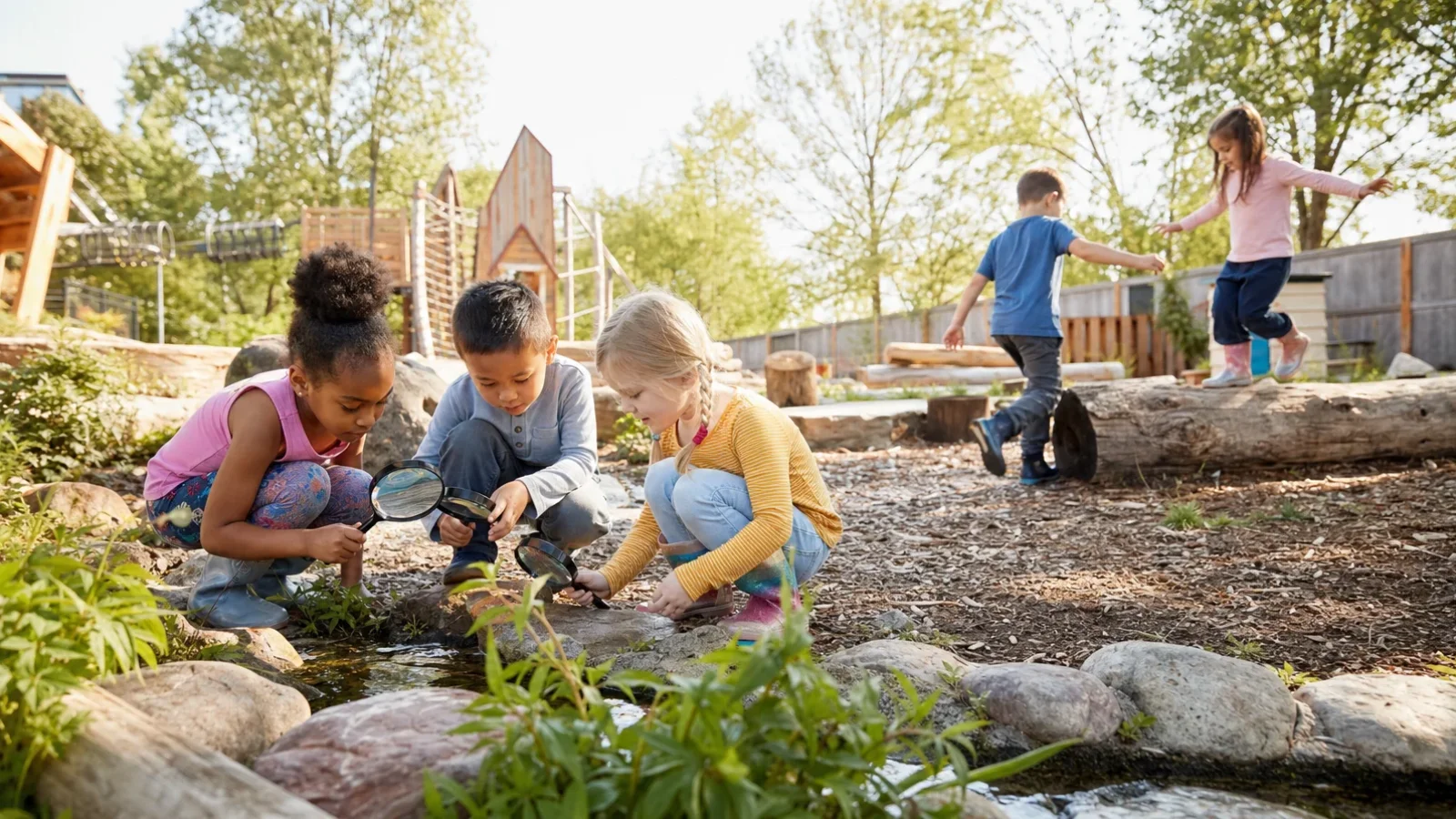
Summer learning does not have to mean a full day of traditional school. Families can choose from district programs, camps, libraries, tutoring, recreation, enrichment, and simple home routines. The best plan matches the child’s academic needs, interests, age, safety requirements, and need for rest while also fitting the family’s schedule, transportation, and budget.
Summer break can give children time to rest, explore interests, build practical skills, spend time outdoors, and keep learning without recreating the school day. These 10 ideas help families combine reading, science, art, movement, community activities, life skills, and quality summer care while keeping the schedule flexible, affordable, age appropriate, and fun.
Potty training works best when families and child care providers use a shared, child-centered plan. Readiness matters more than a fixed age, and accidents are part of learning. This guide explains how to coordinate routines, clothing, language, rewards, hygiene, constipation support, regression, disability accommodations, and communication so children can build toileting independence without shame or pressure.
Daycare separation anxiety is common, especially during infancy, toddlerhood, and major transitions. Children usually adjust more easily when parents and caregivers use predictable routines, brief and confident goodbyes, gradual practice, familiar comfort items, consistent pickup language, and close communication. This guide explains what is typical, what can make anxiety worse, how providers can help, and when professional support may be…
Reference checks help parents verify a babysitter’s experience, reliability, judgment, communication, discipline style, and response to emergencies. The most useful calls go beyond asking whether the reference “liked” the sitter. This guide provides a structured interview, open-ended questions, verification steps, privacy guidance, warning signs, and a practical way to compare what references say with the candidate’s own account.
Outdoor play supports movement, confidence, social skills, and exploration, but playgrounds can also expose children to falls, hard surfaces, broken equipment, entrapment, strangulation, heat, water, traffic, and supervision failures. This guide explains the most common playground risks in home daycare and offers a practical inspection, supervision, maintenance, and incident-review framework.
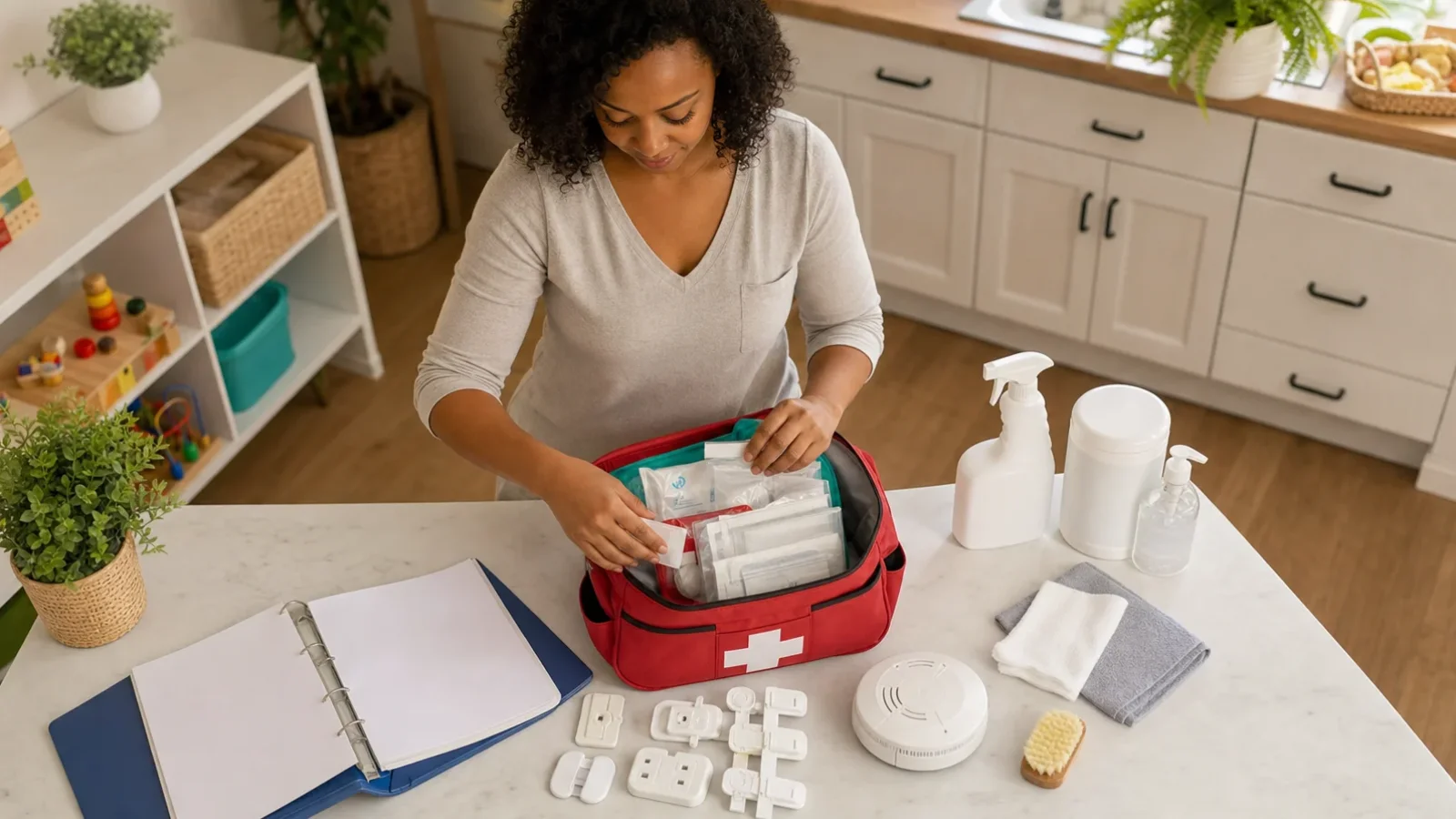
A healthy home daycare needs clear illness policies, reliable handwashing, safe diapering, correct cleaning and disinfection, safe sleep, food and allergy controls, secure medication, good ventilation, active supervision, and practiced emergency plans. This guide explains the basic systems new providers should establish before enrollment and maintain every day once children are in care.
Parents do not need worksheets, expensive toys, or a second school day to support a daycare curriculum at home. Children learn through conversation, reading, routines, movement, art, pretend play, and everyday problem-solving. This guide offers five practical ways families can reinforce classroom learning while protecting rest, connection, curiosity, and the child’s individual developmental pace.
Starting a home daycare requires more than loving children and preparing a playroom. Providers must confirm licensing and zoning, research local demand, build a realistic budget, obtain insurance, prepare the home, complete training and background checks, establish business records, write parent policies, set sustainable tuition, and pass required inspections. This guide organizes those steps into a practical startup roadmap.
Finding a trustworthy babysitter takes more than asking who is available Saturday night. Families should define the job, search early, interview carefully, check references, verify training, consider background screening, conduct a paid trial, and prepare clear emergency instructions. Keeping a strong sitter also requires fair pay, prompt payment, realistic duties, respectful scheduling, honest communication, and reliable return times.