
How to Prepare Your Child for Preschool or Kindergarten
11 min read
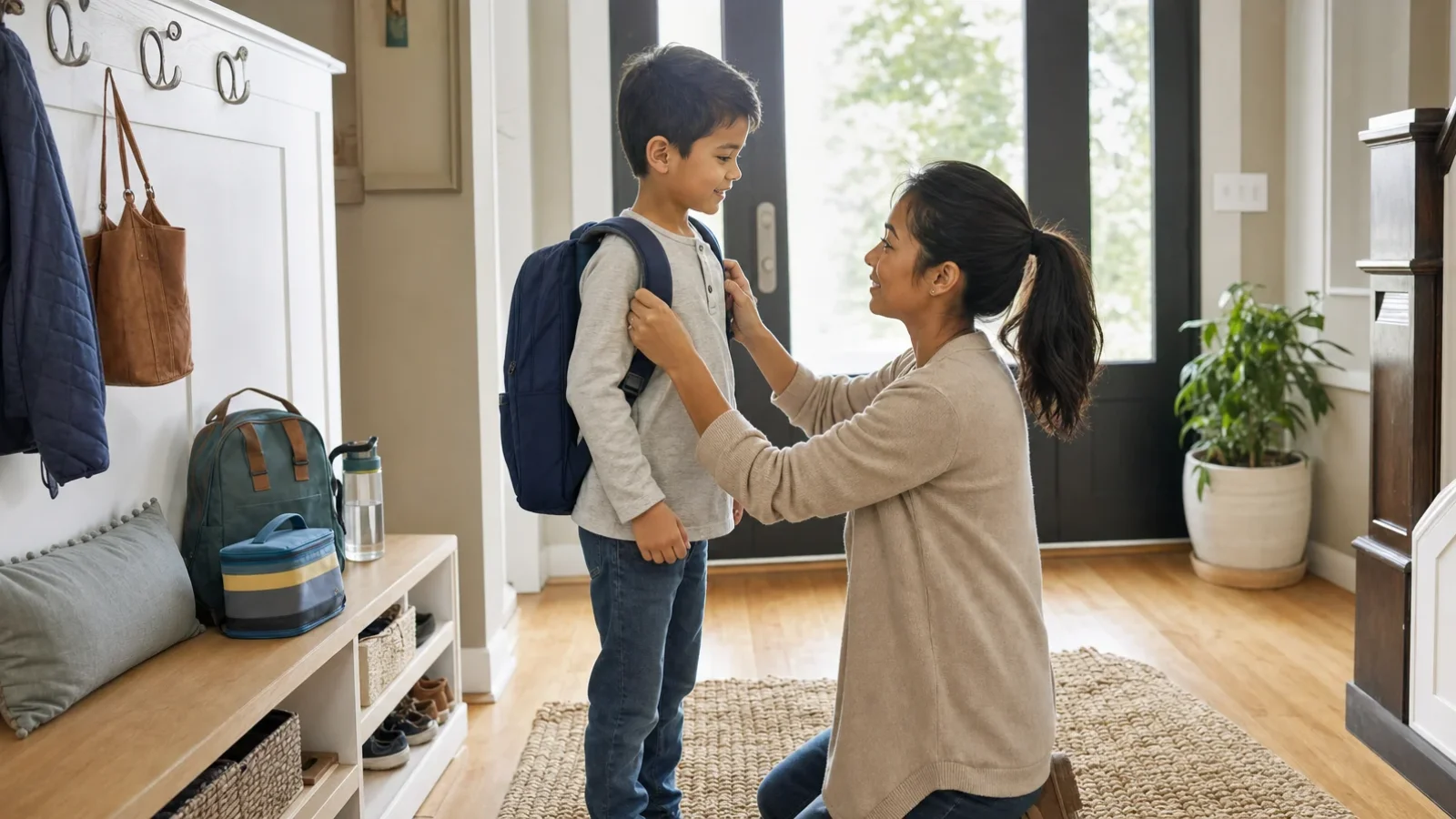
Starting preschool or kindergarten is a major transition for both children and parents.
A child may feel:
- Excited
- Curious
- Proud
- Nervous
- Confused
- Worried about separation
- Unsure about new routines
Parents may also worry about whether their child is “ready.”
School readiness is not a single test.
Children enter school with different:
- Personalities
- Languages
- Experiences
- Skills
- Interests
- Developmental needs
- Family routines
The goal is not to make every child perform at the same level before the first day.
The goal is to help the child build enough familiarity, independence, communication, and confidence to participate in a new environment.
What School Readiness Means
School readiness includes several areas of development.
Physical readiness
The child may be learning to:
- Use the bathroom with support
- Wash hands
- Open a lunch container
- Carry a backpack
- Sit for a short group activity
- Move safely in a classroom
- Manage stairs
- Use crayons, pencils, scissors, and other tools
Social and emotional readiness
The child may be learning to:
- Separate from a caregiver
- Take turns
- Share space
- Follow simple directions
- Ask for help
- Join play
- Wait briefly
- Handle frustration
- Recover after disappointment
Communication readiness
The child may be learning to:
- Say their name
- Express needs
- Answer simple questions
- Listen to a short story
- Follow one- or two-step directions
- Speak, sign, gesture, or use a communication device
Early learning readiness
The child may be developing:
- Curiosity
- Attention
- Memory
- Problem-solving
- Interest in books
- Recognition of patterns
- Basic counting
- Awareness of letters and sounds
A child does not need to read independently before kindergarten.
Readiness is broader than academics.
Learn What the Program Expects
Preschool and kindergarten expectations vary.
Ask the teacher or program:
- What should children be able to do independently?
- Is toilet independence required?
- What is the daily schedule?
- How long is rest time?
- Are meals or snacks provided?
- How is behavior guided?
- What should children bring?
- How are families contacted?
- How are children supported during separation?
- What accommodations are available?
Do not rely only on advice from another family.
The actual program may have different routines and requirements.
Build Daily Routines
Predictable routines help children understand what happens next.
Useful routines include:
- Waking up
- Getting dressed
- Eating breakfast
- Brushing teeth
- Packing a bag
- Leaving the house
- Quiet time
- Dinner
- Bath
- Bedtime
Practice the School Morning
Before school starts, rehearse:
- Wake up at the expected time.
- Get dressed.
- Eat breakfast.
- Use the bathroom.
- Put on shoes.
- Pack the backpack.
- Leave the house.
This can reveal practical problems such as:
- Clothing that is hard to manage
- Breakfast taking too long
- Missing supplies
- Transportation delays
- A child needing more sleep
Adjust Sleep Gradually
Move bedtime and wake time earlier in small steps.
Avoid waiting until the night before school.
A consistent bedtime routine might include:
- Bath
- Pajamas
- Toothbrushing
- Story
- Quiet conversation
- Lights out
Screens close to bedtime may make settling more difficult for some children.
Practice Independence
Young children do not need to do everything alone.
They do benefit from practicing small self-care tasks.
Possible skills include:
- Putting on a coat
- Pulling pants up and down
- Using the toilet
- Washing and drying hands
- Opening a lunchbox
- Drinking from a cup or bottle
- Cleaning up a spill
- Putting toys away
- Carrying a backpack
- Recognizing personal belongings
Choose Manageable Clothing
For school days, consider clothing that is:
- Comfortable
- Easy to move in
- Easy to use in the bathroom
- Appropriate for weather
- Safe for playground use
Avoid complicated fasteners when the child is still learning.
Label:
- Coat
- Backpack
- Lunchbox
- Water bottle
- Extra clothes
Encourage Effort
Instead of completing every task immediately, allow time for the child to try.
You might say:
- Start the zipper, and I’ll help if you need it.
- Try opening the container.
- Show me what you can do first.
- Let’s practice together.
Do not shame a child for needing help.
Encourage Communication Skills
Children need ways to communicate basic needs at school.
Practice phrases or signals for:
- I need the bathroom.
- I need help.
- I am hurt.
- I do not understand.
- I need water.
- I feel sick.
- I want a turn.
- Please stop.
- I miss my parent.
A child may communicate through:
- Speech
- Sign language
- Gesture
- Picture
- Communication device
- Home language
Tell the school how the child communicates most effectively.
Practice Listening and Directions
Use ordinary routines to practice:
- Bring your shoes.
- Put the book on the table.
- Wash your hands, then sit down.
- Choose one toy and bring it here.
Keep directions:
- Short
- Clear
- Age appropriate
- Calm
Ask the child to repeat or show what comes next when helpful.
Build Conversation
Talk about:
- What happened today
- Favorite activities
- Feelings
- Plans
- Questions
- Stories
- Family events
Ask open-ended questions such as:
- What did you notice?
- What do you think will happen?
- How did that make you feel?
- What would you do next?
Read Together Every Day
Reading supports:
- Vocabulary
- Listening
- Attention
- Imagination
- Story understanding
- Early literacy
- Parent-child connection
Children can benefit from:
- Picture books
- Rhyming books
- Alphabet books
- Nonfiction
- Wordless books
- Books about school
- Books in the home language
Make Reading Interactive
While reading:
- Point to pictures
- Ask what the child sees
- Let the child turn pages
- Predict what comes next
- Repeat favorite books
- Connect the story to the child’s life
Avoid turning every story into a quiz.
Talk About Print Naturally
You can point out:
- Child’s name
- Signs
- Labels
- Grocery lists
- Letters on packages
- Words in books
The goal is to build interest, not pressure the child to perform.
Develop Social Skills Through Play
Play helps children practice:
- Sharing space
- Taking turns
- Negotiating
- Pretending
- Solving conflicts
- Communicating
- Following rules
- Recovering from frustration
Useful opportunities include:
- Playdates
- Playground visits
- Library storytime
- Child care
- Community classes
- Family games
- Pretend school
- Cooperative building
Practice Taking Turns
Try games with:
- Rolling a ball
- Blocks
- Board games
- Puzzles
- Art materials
- Playground equipment
Use simple language:
- My turn, then your turn.
- You can ask when you want a turn.
- Let’s wait together.
Practice Joining Play
Teach phrases such as:
- Can I play?
- What are you building?
- Can I be the doctor?
- Would you like to play with me?
Some children need direct coaching.
Others prefer to watch before joining.
Support Conflict Resolution
When children disagree:
- Stay calm.
- Help each child describe what happened.
- Name feelings.
- State the limit.
- Help generate a solution.
For example:
You both want the truck. Hitting is not safe. What can we do?
Visit the School or Child Care Center
Familiarity can reduce uncertainty.
Attend:
- Orientation
- Open house
- Classroom visit
- Playground visit
- Teacher meeting
- Registration appointment
Show the child:
- Entrance
- Classroom
- Bathroom
- Playground
- Pickup area
- Where belongings go
Take Photos When Allowed
Photos can help create a simple story about:
- The building
- Teacher
- Classroom
- Backpack hook
- Pickup area
Review the photos before the first day.
Respect school privacy rules and avoid photographing other children.
Practice the Route
Walk or drive the route.
Talk about:
- Where you will park
- Where the bus stops
- Who will drop off
- Who will pick up
- What happens after school
Specific information is more reassuring than saying:
Don’t worry.
Talk Positively About Starting School
Use a calm, realistic tone.
You might say:
- You will meet your teacher.
- There will be toys and books.
- I will leave, and I will come back.
- You can ask your teacher for help.
- It is okay to feel nervous.
- We will practice the routine.
Avoid:
- You have nothing to be scared of.
- Big kids do not cry.
- If you behave, I will come back.
- School is always fun.
- I will miss you too much.
Children may enjoy school and still have difficult moments.
Let the Child Ask Questions
A child may worry about:
- Bathroom
- Food
- Nap
- Friends
- Getting lost
- Parent returning
- Teacher
- Bus
- Rules
Answer simply and honestly.
If you do not know, say:
Let’s ask the teacher.
Prepare for Separation
Practice short separations with a trusted adult when possible.
Use a consistent goodbye.
For example:
- Hug.
- Say what happens next.
- Name the pickup time in child-friendly terms.
- Leave calmly.
You might say:
I’m going to work now. You will have snack, play outside, and then I will come back after story time.
Avoid sneaking away.
Sneaking may make the child worry that the caregiver can disappear without warning.
Keep Goodbyes Brief
A long, uncertain goodbye may increase distress.
If the child cries:
- Stay calm
- Acknowledge the feeling
- Follow the teacher’s plan
- Leave when appropriate
- Contact the program later if needed
Crying at separation does not automatically mean the program is a bad fit.
Persistent or worsening distress should be discussed with the teacher.
Prepare for the First Day
Pack the Bag
Follow school instructions.
Possible items include:
- Change of clothes
- Water bottle
- Lunch
- Snack
- Diapers or wipes
- Comfort item
- Medication
- Family photo
- Weather gear
Label everything.
Do not send toys or food that the program prohibits.
Complete Health and Emergency Forms
Provide:
- Emergency contacts
- Allergies
- Medication
- Medical needs
- Authorized pickup people
- Communication needs
- Developmental information
- Family considerations
Tell the program about anything essential to safety.
Plan Extra Time
The first morning may take longer than expected.
Prepare:
- Clothing
- Food
- Backpack
- Transportation
the night before.
Avoid scheduling an important meeting immediately after drop-off when possible.
Create a Pickup Plan
Tell the child who will pick them up.
Make sure the school has:
- Correct names
- Phone numbers
- Authorization
- Transportation changes
Follow the program’s release rules.
Help After the First Day
Do not begin with too many questions.
Instead of:
What did you learn? Who did you play with? Did you cry? What did you eat?
Try:
- I’m happy to see you.
- What was one thing you noticed?
- Show me how tired or energetic you feel.
- Was there a favorite part?
Some children need time before talking.
They may communicate through:
- Play
- Drawing
- Behavior
- Bedtime conversation
Expect Adjustment
During the first weeks, a child may show:
- Fatigue
- Clinginess
- Irritability
- Earlier bedtime
- Bathroom accidents
- Emotional outbursts
- Increased hunger
- Quietness
These changes can occur during transitions.
Maintain routines and communicate with the teacher.
Work With the Teacher
Share useful information about:
- Child’s interests
- Communication
- Comfort strategies
- Allergies
- Medical needs
- Family language
- Toileting
- Sleep
- Sensory needs
- Previous care experience
Ask:
- How is my child separating?
- What activities do they enjoy?
- Are they communicating needs?
- Are there routines we can practice at home?
- Is anything concerning you?
Approach the teacher as a partner.
Supporting Children With Disabilities or Developmental Needs
Preparation should be individualized.
Families may need to coordinate:
- IEP or special education services
- Section 504 plan
- Medication
- Mobility
- Communication device
- Sensory supports
- Feeding
- Toileting
- Transportation
- Emergency plan
Meet with the program before the first day.
Discuss:
- Accommodations
- Staff training
- Accessibility
- Transition visits
- Visual schedules
- Quiet space
- Pickup and drop-off
Do not wait for a problem to appear before sharing information essential to the child’s safety and participation.
What Not to Overemphasize
Young children do not need a summer of worksheets before school.
Avoid excessive pressure involving:
- Reading level
- Perfect handwriting
- Memorized facts
- Long seated lessons
- Comparing siblings
- Testing the child daily
A child benefits more from:
- Conversation
- Reading
- Play
- Movement
- Curiosity
- Consistent routines
- Responsive adults
A Four-Week Preparation Plan
Four weeks before
- Confirm forms
- Adjust bedtime
- Visit the school
- Practice self-care
Three weeks before
- Read books about school
- Practice the route
- Talk about the schedule
- Arrange short separations
Two weeks before
- Prepare clothing
- Label supplies
- Practice lunch containers
- Review bathroom communication
One week before
- Follow the school wake-up schedule
- Pack the backpack
- Review pickup
- Keep conversations calm
The night before
- Prepare clothes
- Pack food
- Check forms
- Choose bedtime story
- Keep the evening predictable
The first morning
- Allow extra time
- Eat breakfast
- Use the goodbye routine
- Leave calmly
- Follow the teacher’s guidance
Frequently Asked Questions
Does my child need to read before kindergarten?
No. Independent reading is not generally required for entry. Interest in books, listening, conversation, and early awareness of print are useful foundations.
What if my child cries at drop-off?
Stay calm, use a short goodbye, and follow the teacher’s transition plan. Many children need time to adjust.
Should my child be fully toilet trained?
Requirements vary by program and age. Ask the school directly and discuss any developmental or medical needs.
How can I help a shy child prepare?
Use short visits, familiar routines, small-group play, books about school, and specific information about what will happen.
What independence skills are most helpful?
Using the bathroom with appropriate support, washing hands, managing simple clothing, opening food containers, carrying belongings, and asking for help.
How early should we change the sleep schedule?
Begin gradually several weeks before school when possible, especially if summer sleep times have shifted significantly.
What should I do if my child says they hate school?
Listen without dismissing the feeling. Ask gentle questions, observe patterns, and speak with the teacher to understand what may be happening.
What if my child has a disability or developmental delay?
Meet with the program early to discuss accommodations, services, communication, safety, and transition supports. Readiness should be individualized.
Related Resources
No related-resource inventory was supplied with this article. Future internal links should prioritize:
- Social skills for kindergarten
- Preparing for a new child care provider
- Choosing a quality preschool
- Supporting separation anxiety
- Preschool program quality
- Child development milestones
Sources
- Head Start: School Readiness
- Head Start: Supporting Transitions—Using Child Development as a Guide
- HealthyChildren.org: Getting Ready for Preschool
- HealthyChildren.org: Preparing for Kindergarten
- Reading Rockets: Getting Ready for Kindergarten
- U.S. Department of Education: Early Learning
- CDC: Developmental Milestones
ChildCareCenter.us is an independent directory and educational resource. Preschool and kindergarten entry requirements, toilet-training policies, health forms, special education services, transportation, and school-readiness expectations vary by program and jurisdiction and may change. This article is not medical, developmental, educational, legal, or special education advice. Consult the child’s school, health care provider, and qualified specialists when appropriate.
You need to develop your child even before school. Some pre-school courses are ideal, in my opinion. Because of the pandemic, I think you should work on the option of online learning, check how diligent your child is and how long he can be focused.