
Child Care Resource Library
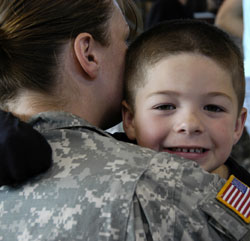
Child Care Assistance Programs for Military Families
The child care needs of military families can be more complicated than those of their civilian peers, due largely in part to scheduling conflicts which can arise as the result of a deployment or assignment.
For military families in which both parents are part of the workforce, shouldering the financial burden can also present an issue which must be considered. To help offset child care costs for these families, child care assistance programs can be of great value.
How Military Families Can Learn More About Child Care Assistance Programs
There are several programs which offer assistance to the families of deployed or active duty soldiers. Depending on the branch of the military in which one or both parents serves, these programs may vary.
- Army - Children of active duty and Reserve soldiers who do not have access to an on-installation child care service may be eligible for Army fee assistance programs to defray the costs of full-time child care. These programs provide care for children from birth through twelve years of age for eligible Service Members whose spouse is enrolled in school or working at least sixteen hours per week. Spouses who are currently in school must be enrolled for at least six undergraduate credit hours or three graduate credit hours for some programs. There are also temporary assistance programs which are offered to families in which one spouse is Active Duty and the other is seeking employment. Eligible Service Members include Active Duty, Guard and Reserve soldiers who have been activated, Department of the Army Civilians and those assigned to Joint Base Installations, the survivors of fallen soldiers and families of Wounded Warriors assigned to a Warriors in Transition Unit/Battalion, or Special Operations Command.
- Marine Corps - Spouses of Active Duty Marines who are employed at least thirty-five hours per week or enrolled in school full time may be eligible for off-base subsidy child care programs. Spouses who are assigned as the non-medical attendant for a Wounded Warrior are also eligible, and considerations may be made for those who are employed part-time while also pursuing higher education part-time. Children for whom assistance is sought mus live with an active duty Marine, except during deployment or extenuating circumstances, and geographically dispersed Marine families must be living outside of a fifteen-mile radius of a USMC installation with a child development program.
- Navy - Child care fee assistance programs for Navy families apply to both married parents and unmarried parents who live within the same household. Families of Active Duty Sailors who do not have access to child care facilities on their installation may be eligible for fee assistance if they meet certain criteria. For families who live withing fifteen miles or a twenty minute average commute time to on-installation child care facilities must be on a wait-list for those programs in order to apply for fee assistance. Any family who has denied care through base-sponsored Child Development Centers in a calendar year will not be eligible for fee assistance, and off-base childcare providers must meet high quality standards.
- Air Force - United States Air Force families have access to child care fee assistance programs for which they may be eligible, contingent upon meeting specified criteria. This includes being currently wait-listed for on-installation care if the family lives within fifteen miles or twenty minutes of an on-base child development center. Families who have turned down an available on-installation child care enrollment slot in the last twelve months will not be eligible for some programs.
Understanding Child Care Assistance for Military Families
There are two primary programs through which military families can seek child care assistance: Operation Military Child Care (OMCC) or Military Child Care in Your Neighborhood (MCCYN). These programs are currently offered to all branches of Active Duty service, and can offset costs for child care extended through eligible providers. These child care providers will need to be inspected annually by a state licensing agency and be capable of meeting high standards of excellence as established by the military. These programs are sponsored by the Department of Defense, and are managed by Child Care Aware, the organization formerly known as NACCRRA. They are created to provide access to quality child care for families who do not currently have access to DoD programs on their installation. These civilian centers must be accredited and are held to the same standards required of those on any installation.
Military families can take advantage of these high-quality civilian programs at comparable cost to services offered on an installation through MCCYN, OMCC and some branch-specific programs. By exploring the child care fee assistance programs offered through DoD funding, families of Active Duty service members can obtain quality care for their children without exceeding their household budgets.

Kaw Nation Child Care Development Fund
With increasing Native American populations, the Kaw Nation recognizes the need to assist families with their child care costs.

What is "Job Creep," and How Does It Affect Nanny Turnover Rates?
Finding and hiring the perfect nanny can be a stressful experience, which is why most parents actively look for ways to reduce turnover rates whenever possible. Unfortunately, a very common contributing factor to nanny turnover is one to which many parents are largely oblivious: job creep.

Foods Home Daycare Providers Should Never Serve Toddlers
Providing toddlers with appropriate nutrition can be a challenge, due in large part to the innate pickiness of small children when it comes to new foods. For home daycare providers who have both a responsibility to feed the children under their care properly and the risk of liability, it can be tempting to offer a picky eater a variety of foods in order to find one they'll agree to eat.
Still, there are many food items which a home daycare provider may have on hand, but should never be given to toddlers for health and safety reasons.
Peanuts and Tree Nuts
While peanuts are technically legumes and in a separate family from tree nuts, these are two of the most common and potentially dangerous allergens. Toddlers should not be exposed to tree nuts like walnuts, almonds and pecans, or peanut-derived childhood staples like peanut butter under your care. Introducing high allergen-risk foods should be attempted when children are a bit older, and by their parents in a controlled environment.
Children with peanut allergies can face dangerous and even deadly reactions from not only ingesting peanuts, but even coming into physical contact with them. Peanut allergies are among the most common for young children, which makes them a particularly high-risk food item. The thick consistency can also present a choking risk for toddlers, even if they have no peanut allergies.
Kid Favorites Home Daycare Providers Should Avoid
There are certain food items which seem to be universally loved by children, which make them tempting choices for home daycare providers faced with a toddler who refuses all other offerings. Still, some of these choices can be dangerous for small children, and should be avoided. Risky foods for toddlers include:
- Popcorn - Partially-popped kernels of popcorn can be very hard, which presents a risk to small teeth and a considerable choking hazard. Furthermore, many microwavable popcorn brands contain a number of potentially dangerous chemicals, and should be avoided by home daycare providers.
- Hot Dogs - A staple item for many parents and caregivers, hot dogs are also among the most common causes of fatal choking incidents for small children. They contain highly processed meat and high levels of sodium, as well. If you do choose to serve hot dogs to the toddlers under your care, they should always be sliced lengthwise before serving. Coin-shaped slices are popular among many parents and daycare providers, but they're the most dangerous choice in terms of choking risk. Never serve round hot dog slices to toddlers.
- Hard Candy - Sugar and additives aside, hard candy is a dangerous choice for toddlers due to the choking risk they can also present.
- Soft Drinks - Medical professionals and children's health organizations like Keep Kids Healthy recommend toddlers only have for to six ounces of fruit juice over the course of a day, but never soft drinks or soda. Soft drinks can be damaging to newly developed teeth, and can discourage kids from developing good dietary habits.
Seemingly Healthy Foods to Avoid
It's not uncommon for home daycare providers in search of healthy food options to choose some items which are actually dangerous for toddlers. While these foods seem like wholesome choices at first blush, they're actually not ideally suited to toddler nutrition.
- Fish - High in Omega-3 fatty acids and protein, fish is a healthy food which may not be so healthy for children. Some types can have very high mercury levels, which is toxic in large doses. Even types which are widely recognized as low-risk in terms of mercury can still be a dangerous choice for home daycare providers, as fish is also a common allergen. Instead of serving fish to toddlers, it's best to introduce this potential allergen later in childhood in controlled conditions.
- Eggs - Another common allergen, eggs should also be introduced carefully when children are past toddlerhood. Egg whites can cause skin irritation and upset stomachs in some toddlers as well, so it's best not to serve eggs to toddler charges.
- Honey - Known as a natural anti-microbial and healthier sweetener option than sugar, honey can be contaminated with a type of bacteria which is particularly dangerous for very young children. Toddlers can come into contact with the bacteria which causes botulism through eating honey, but the risk diminishes significantly after a child reaches two years of age.
- Non-fat Milk - While the Seattle Children's Hospital recommends never serving any type of cow's milk to children under one year of age, but also avoiding low-fat, non-fat and reduced fat milk for toddlers. Some fat is crucial in a toddler's diet for neurological development and nutritional reasons. Milk is also a common allergen, and should only be served to children who have shown a tolerance at home.
Child Care Accreditation
Each state has guidelines and regulations regarding child care centers and home based daycares. The guidelines and regulations are determined and supervised by local and state agencies.
Sensory Bin: A Smart Addition to Any Home or Daycare
CONSIDER THE BENEFITS
Are you looking for a simple, inexpensive, creative, and educationally rich activity for young children? Sensory bins help children develop a wide variety of important skills as they do what children do best: play!
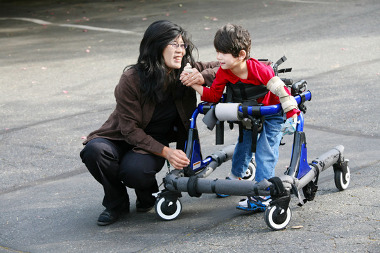
What Parents Should Look for in Special Needs Childcare Providers
Finding great childcare providers can be a challenge for any parent, but is often even more difficult for the parents of children with special needs.
Preparing Your Household Before Starting an In-Home Daycare
Researching the licensing guidelines in your state and learning state regulations as they apply to home daycare businesses aren't the only preparation you'll need before starting an in-home daycare.
State Agency Investigation: Information for Childcare Providers
Navigating the process of a state agency investigation can be stressful for childcare providers and troubling for parents enrolled in a program, even if the impetus for an investigation was a relatively benign incident.
New York Childcare Licensing and Regulation
The State of New York has gone through great lengths to provide licensing and regulation to protect children, parents, and childcare providers. It's important that the State, parents, and providers make safety for infants and children up to 14 years old their number one priority.